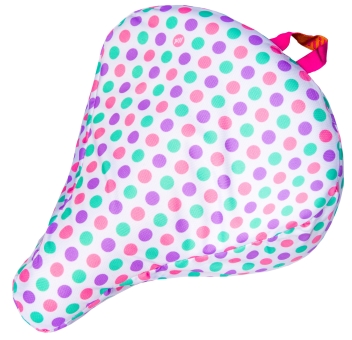
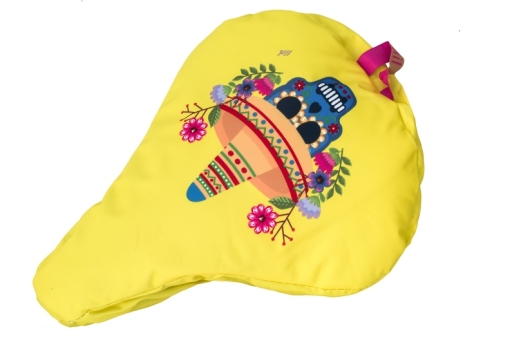
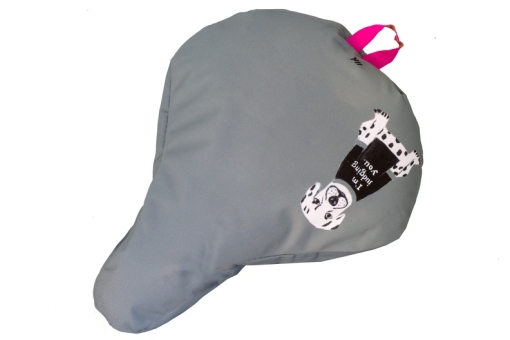
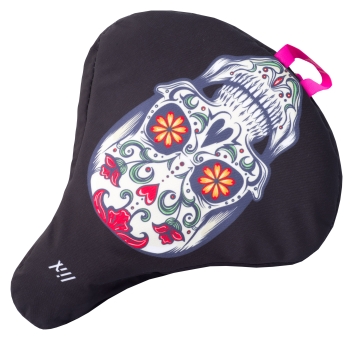
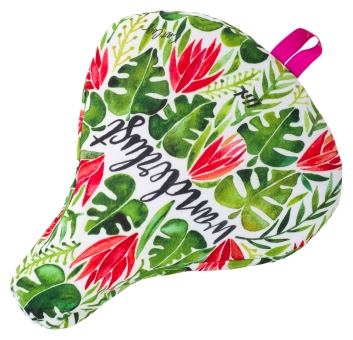
Saddle covers at Radfieber – Liix with over 30 designs. The covers are waterproof, non-slip, cushioned and protect against rain, UV rays, abrasion and scratches. Saddle covers at Radfieber mean more comfort on long rides, fewer pressure points and longer durability of the saddle.
.jpg) Liix Saddle Cover Polka Dot Saddle Cover Black
Liix Saddle Cover Polka Dot Saddle Cover Black.jpg) Liix Saddle Cover I Love My Bike Saddle Cover Pink
Liix Saddle Cover I Love My Bike Saddle Cover Pink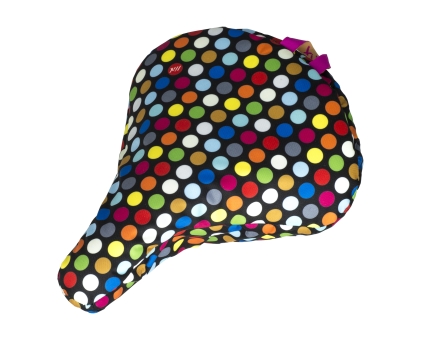 Liix Saddle Cover Polka Big Dots Mix Saddle Cover Black
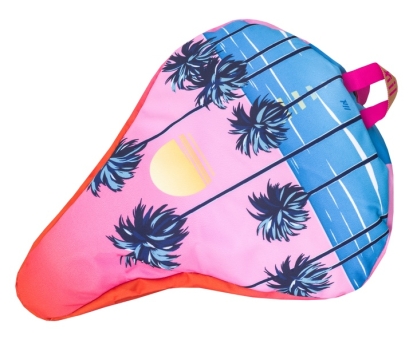 Liix Saddle Cover Florida Sunset Saddle Cover
 Liix Saddle Cover Tree of Dots Saddle Cover
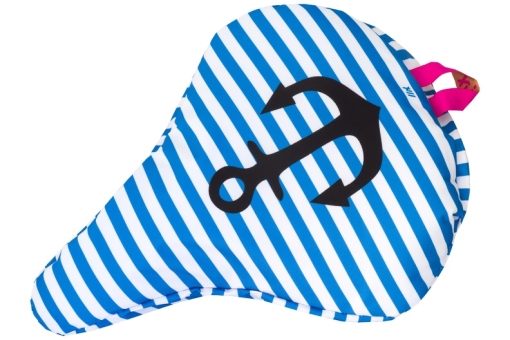 Liix Saddle Cover Anchor saddle cover
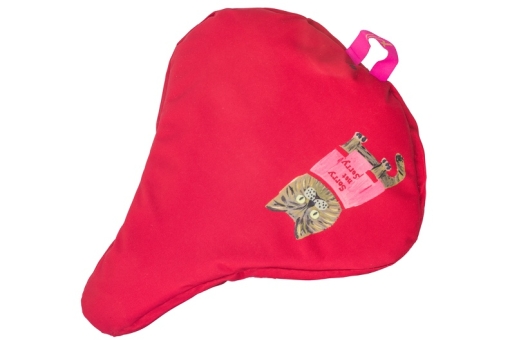 Liix Saddle Cover Sorry Not Sorry saddle cover
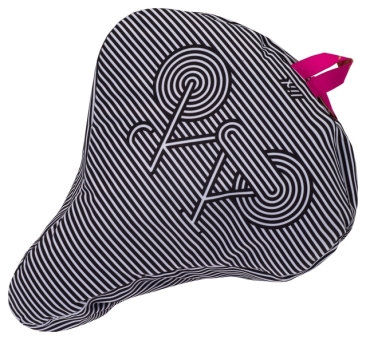 Liix Saddle Cover Stripe Bike Saddle Cover
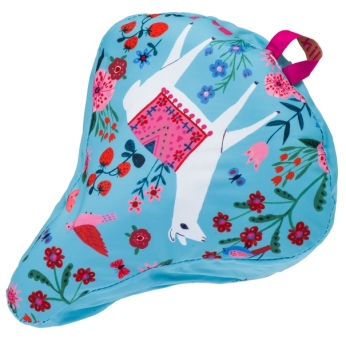 Liix Saddle Cover Llama Saddle Cover
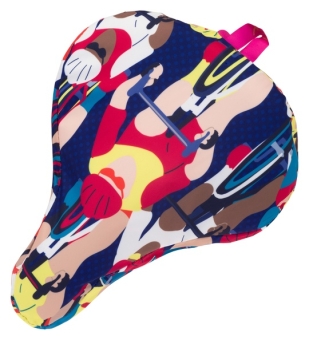 Liix Saddle Cover Peloton saddle cover
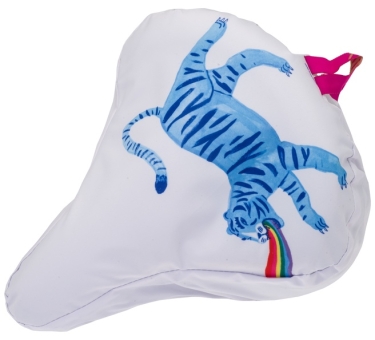 Liix Saddle Cover Rainbow Tiger Saddle Cover
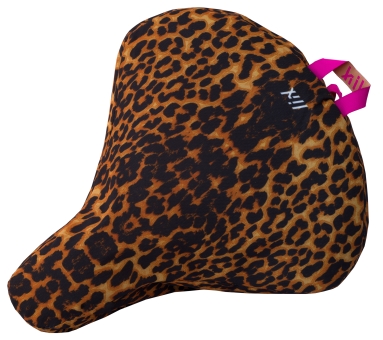 Liix Saddle Cover Leo saddle cover
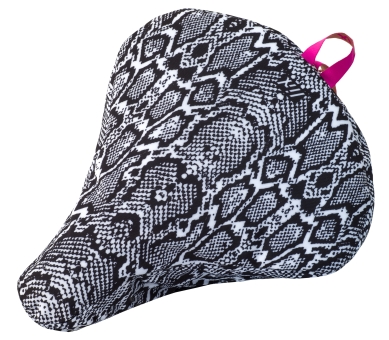 Liix Saddle Cover Snake saddle cover
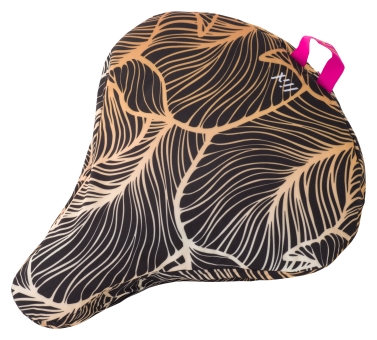 Liix Saddle Cover Golden Leaves saddle cover
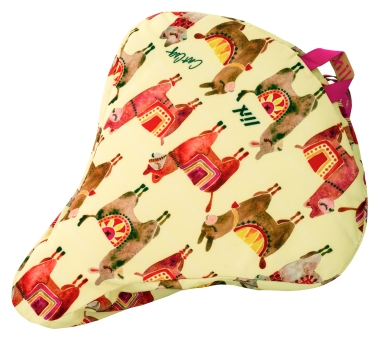 Liix Saddle Cover Alpaca Saddle Cover
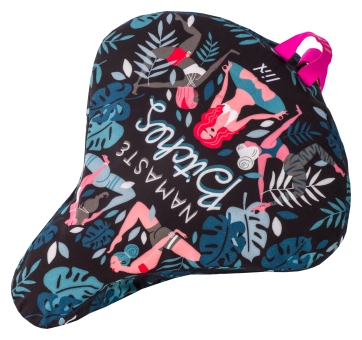 Liix Saddle Cover Namaste Bitches Saddle Cover
The most important reason for a saddle cover is protecting the bicycle saddle. Rain, UV radiation and dirt cause leather or synthetic leather saddles to become brittle, fade or crack over time. A waterproof saddle cover protects against moisture, prevents corrosion of the saddle mechanism and frame, and guards the saddle against abrasion and scratches – especially when parked outdoors or at a bike rack. High-quality Brooks leather saddles also benefit from a protective cover in wet weather.
In addition to protection, saddle covers increase riding comfort. A padded saddle cover absorbs shocks and vibrations on uneven roads, reduces pressure points and numbness on longer rides. Non-slip materials provide better grip in wet or sweaty conditions. Saddle covers with gel inserts or memory foam can make a saddle that is too hard or too narrow significantly more comfortable – a cost-effective alternative to buying a new saddle.
The first saddle covers appeared in the 1920s as bicycles became common everyday transportation. At the time, water-repellent fabric covers were sewn from oiled cotton cloth and fastened with leather straps under the saddle. In the 1950s, the French company Le Cyclo introduced the first rubber covers that were simply pulled over the saddle. The 1970s saw covers made of PVC and synthetic leather from manufacturers such as Brooks and Selle Royal. The purpose from the beginning was to protect the saddle from the weather and extend its service life.
Today, saddle covers are available in many materials and designs. Waterproof covers made of PVC or polyester with elastic drawstrings provide reliable rain protection but offer little breathability. Padded covers made of neoprene, gel or memory foam increase comfort and adapt to the saddle shape. Breathable mesh covers prevent heat buildup in summer. There are even sheepskin saddle covers: they offer natural padding and temperature regulation – cool in summer, warm in winter – and are especially popular among long-distance riders. Reflective covers improve visibility in the dark.


.jpg)
.jpg)
.jpg)