The bicycle bell is the diplomat on your handlebars: it politely says “Excuse me, I'm coming through” – usually with a charming ring! Unobtrusive but indispensable, it ensures that you are heard in traffic without testing the nerves of those around you. Modern bicycle bells come in classic or really stylish designs. Whether minimalist in aluminum or nostalgic in a retro look, they all have one thing in common: safety through attention – but discreetly.
 Liix Funny Bell Cute Kitty Bell
 Liix bell Moin Moin Cobalt Metallic
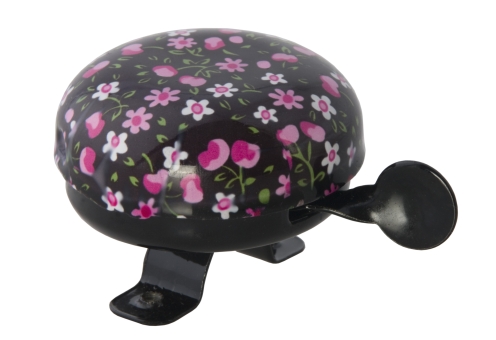 Liix Funny Bell Pink Blossoms Bell Black
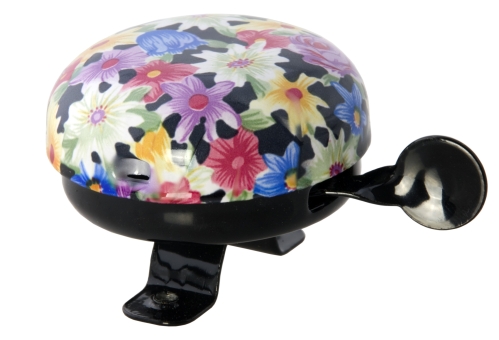 Liix Funny Bell Colourful Blossoms bell
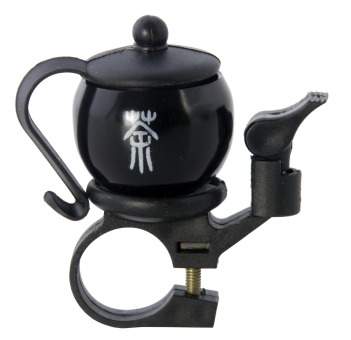 Liix Funny Bell Tea Time Bell
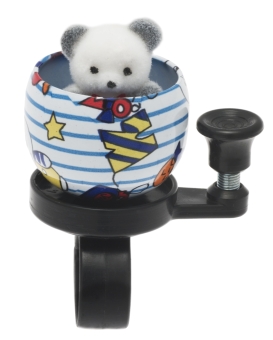 Liix Funny Bell Cute Bear Bell
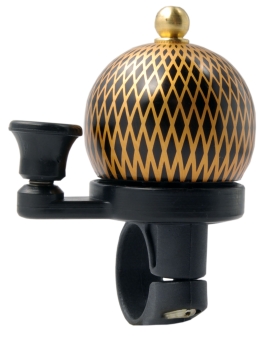 Liix Funny Bell Oriental Temple Bell
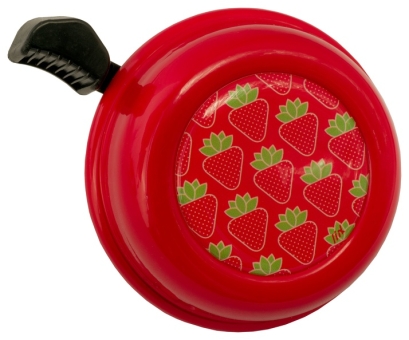 Liix COLOUR BELL BERRIES Klingel / red
  Liix Ding Dong Bell I Love My Bike Bell Pink
The first bicycle bell was patented in 1887 by the British inventor John Richard Dedicoat. Born in 1840 in Birmingham, Dedicoat was a bicycle manufacturer who built the Pegasus model. He recognised that with the growing number of bicycles on the roads, an acoustic signal was needed to warn pedestrians and horse-drawn carriages. His bell consisted of a metal cup with an external clapper operated by a thumb lever. Similar designs were developed around the same time by Alfred Bennett (England, patent 1877) and the French company Le Cyclo. In Germany, the StVZO introduced the bell as mandatory equipment in 1934 – a regulation that remains in force today.
Since Dedicoat's invention, the bicycle bell has evolved continuously. In the 1920s, bells with an internal gear mechanism emerged, where a spring-loaded striker is propelled against the cup by turning the bell ring. In the 1970s, the Japanese brand Crane introduced the first plastic bells, which were lighter and cheaper. Today the range extends from classic brass bells through stainless steel models to electronic battery-powered bells. Retro designs in brass or copper have also become popular again, as have minimalist flat bells that sit flush against the handlebar.
Bicycle bells are made from different materials, varying in weather resistance and robustness. Brass is corrosion-resistant, durable and particularly weather-resistant, but heavier and more expensive. Stainless steel is rust-free, robust and lighter than brass. Aluminium is light and inexpensive, but more prone to scratches and corrosion from salt water. Copper develops a patina over time, is very weather-resistant, but softer. Plastic is light and cheap, but less robust and degrades under UV radiation. Steel is robust and cheap, but rusts without coating. For outdoor use, brass or stainless steel are recommended – they last for years without loss of function.
There are various bicycle bell mechanisms, each with advantages and disadvantages. The classic bell with external clapper and thumb lever is simple, loud and reliable, but requires space and the lever can break off in a fall. The twist bell with internal gear mechanism is compact, quiet and robust, but the sound is quieter and the mechanism can jam when dirty. The spring-pull bell (also called cord-pull bell) is simple and cheap, but the tone is short and quiet. Electronic battery-powered bells offer loud, adjustable sounds (ring, horn, melody) and are space-saving, but require batteries and are susceptible to moisture. The choice depends on the intended use: city riders prefer loud bells, road cyclists favour lightweight twist bells.
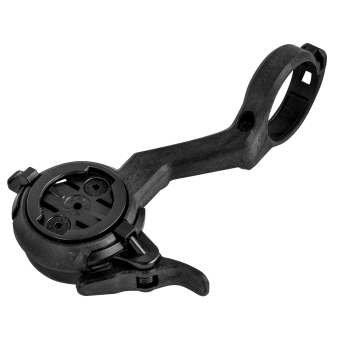
Bicycle bells can be attached to the handlebar in various ways. The classic clamp mount with an Allen screw is the most common type and fits handlebar diameters from 22.2 mm to 31.8 mm. Rubber band mounts are tool-free and fit various diameters, but are less stable. Hook-and-loop fastenings are flexible and repositionable, but not permanently secure. For narrow handlebars there are flat bells with integrated clamp plates. Some bells are inserted directly into the bar end. Handlebar end mounts are also possible. Importantly, the bell must remain reachable with the thumb without having to take the hand off the handlebar.



.jpg)


.jpg)