 Stevens 2024 COLORADO 401 29" Gen.2 / Alu Raw Black
 Stevens 2024 SONORA 29" Gen.2 / Grey
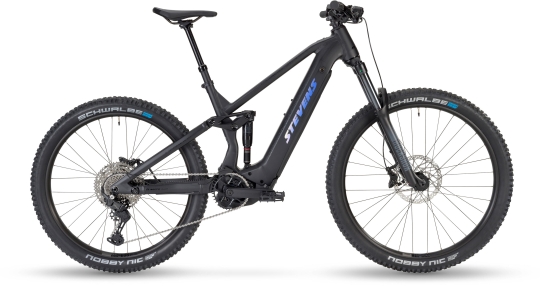 Stevens 2024 E-INCEPTION AM 6.6.1 ACT Gen.2 / Stealth Black
 Stevens 2024 SONORA ES 29" Gen.2 / Dark Red Black
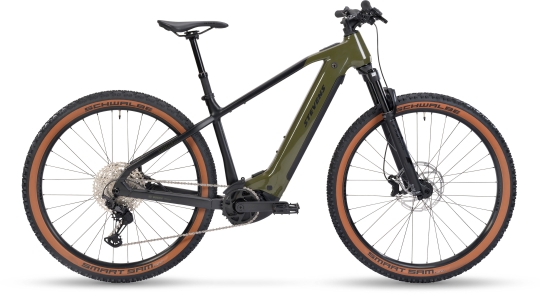 Stevens 2025 E-AGNELLO 8.8.1 / Khaki Black
 Stevens 2025 APPLEBEE / Blue Grey
 Stevens 2025 APPLEBEE / Galactic Black
 Stevens 2025 DEVIL'S TRAIL / Petrol Gold
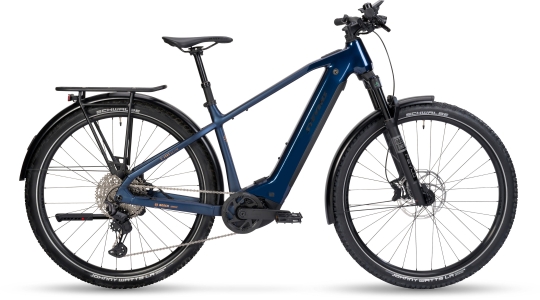 Stevens 2025 E-JUKE 8.8.1 FEQ / Deep Blue
 Stevens 2025 TONGA / Blue Turquoise
 Stevens 2025 TANIWHA / Frozen Green
 Stevens 2025 DEVIL'S TRAIL / Cool Grey Black
 Stevens 2025 E-INCEPTION TR 8.8.1 FEQ/ Ochre Grey
 Stevens 2026 E-INCEPTION ED 8.8.1 GTF / Amber Glow
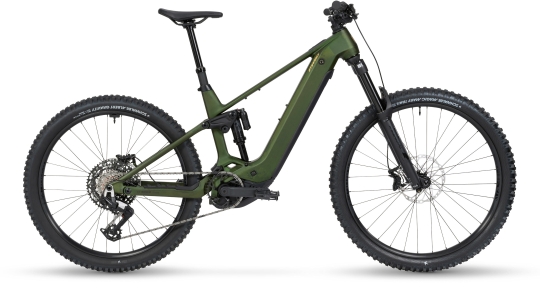 Stevens 2026 E-INCEPTION AM 7.8.1 GTF / Forest Light
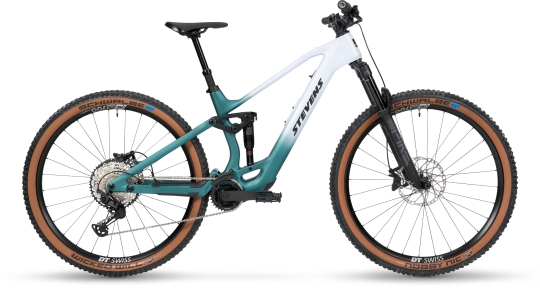 Stevens 2026 E-MAVERICK AM 7.4.3 / Ocean Glow
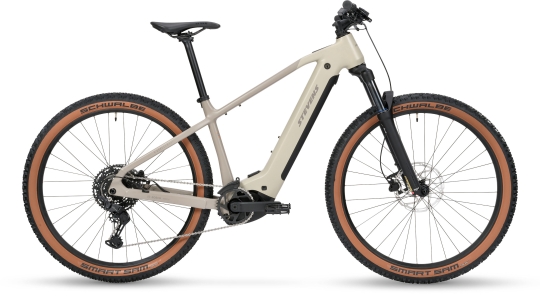 Stevens 2026 E-AGNELLO 6.6.1 / Desert Dust
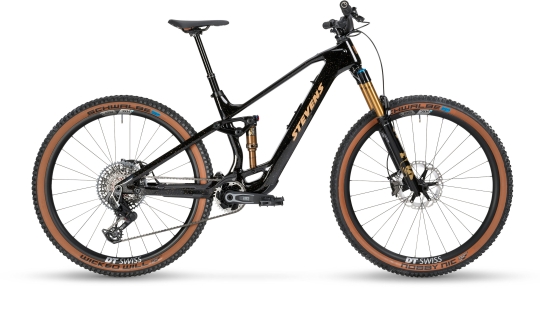 Stevens 2026 E-MAVERICK AM 9.4.3 / Golden Phantom
 Stevens 2026 E-INCEPTION AM 8.8.1 GTF / Velvet Black
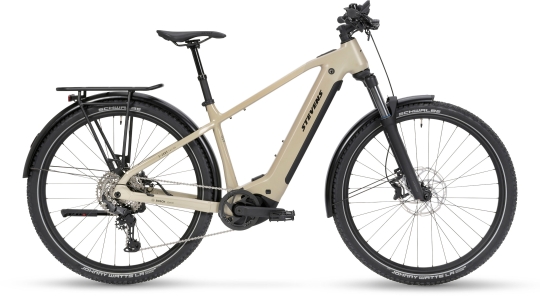 Stevens 2026 E-JUKE 7.8.1 FEQ / Light Khaki
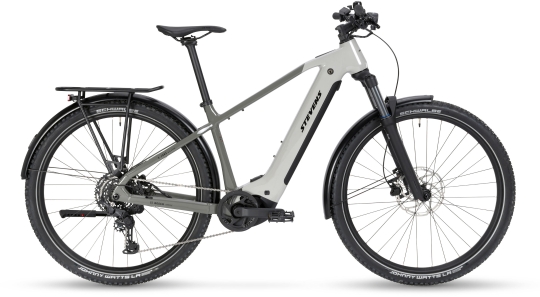 Stevens 2026 E-JUKE 6.6.1 FEQ / London Grey
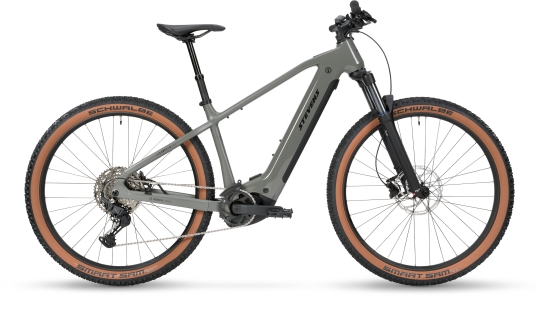 Stevens 2026 E-AGNELLO 7.8.1 / Ash Grey
The origins of mountain biking lie in California in the late 1960s, when a group of hippie bikers around Mount Tamalpais in Marin County rode down unpaved fire roads on old, modified Schwinn cruisers with fat balloon tires. These bikes, called "klunkers," were heavy, single-speed, and equipped with coaster brakes that overheated during rapid descents and had to be repacked with grease – hence the name of the legendary "Repack" race, held on Mount Tamalpais from 1976. In 1977, frame builder Joe Breeze, at the urging of Charles Kelly, built the Breezer No. 1, the first mountain bike purpose-built for off-road use, made from lightweight chromoly steel. In 1979, Gary Fisher, Charlie Kelly, and Tom Ritchey founded the company MountainBikes, and in 1981 Specialized released the Stumpjumper, the first mass-produced mountain bike, which launched the worldwide triumph of mountain biking.
Modern mountain bikes have evolved enormously in terms of technology. They are available as hardtails (front suspension only) or full-suspension bikes and are made from carbon or aluminum. Twenty-nine-inch wheels, hydraulic disc brakes, single chainrings with wide-range cassettes, and electronic shifting from Shimano or SRAM are standard today. Depending on the area of use, specialized categories have emerged: cross-country (XC) for racing and marathon, trail bikes for versatile riding, enduro bikes for challenging descents, and downhill bikes for extreme terrain. A dropper post allows the saddle to be lowered while riding, increasing freedom of movement on steep sections.
Mountain biking is now one of the most popular cycling disciplines worldwide. In the professional realm, cross-country has been Olympic since 1996, and the UCI Mountain Bike World Cup and World Championships attract top athletes from around the globe. Enduro and downhill races have established themselves as independent competition formats. In the private sphere, millions of people use mountain bikes for leisure, fitness, and nature experiences on extensive trails in forests and mountains. E-mountain bikes have opened up the sport to a broader audience, including families, older riders, and people seeking an escape from paved roads as a balance to everyday work life. This development has transformed mountain biking from a niche movement of California enthusiasts into a global mass phenomenon.
The development of mountain bikes with electric motors began around 2010, when the first e-mountain bikes with hub motors came onto the market. The breakthrough came with powerful mid-drive motors from Bosch, Shimano, Brose, and Yamaha, which were installed in series from around 2012 and provide a natural riding feel. The main reason for the growing popularity of e-mountain bikes is that they enable even less trained riders to tackle challenging trails and undertake longer tours. Older or physically restricted bikers can continue to pursue their hobby thanks to motor assistance, while experienced riders also appreciate the additional range for extended day tours or alpine climbs. The battery capacities of modern e-mountain bikes range from 400 to 750 Wh, enabling ranges of 50 to 120 kilometers depending on the assistance mode and terrain.


