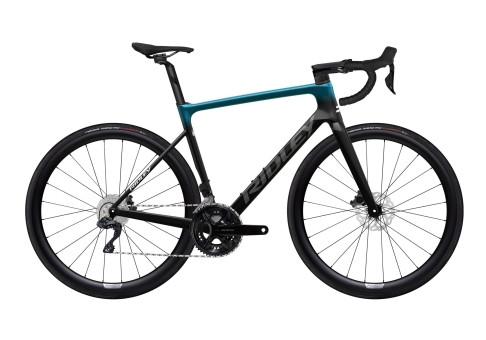
At Radfieber you will find a wide selection of road bikes for beginners, hobby riders, and ambitious athletes. Our road bikes come from renowned brands such as Ridley and Stevens. Particularly low weight is offered by our carbon road bikes. We also offer road bikes with motor assistance. Whether you are looking for an aerodynamic aero bike or a comfortable endurance road bike – you will find what you are looking for with us. Stop by at Radfieber in Cologne, Düsseldorf and Berlin and get comprehensive advice. With a test ride you can experience and try out your dream road bike yourself. Don't forget that Radfieber also has reduced road bikes on offer!
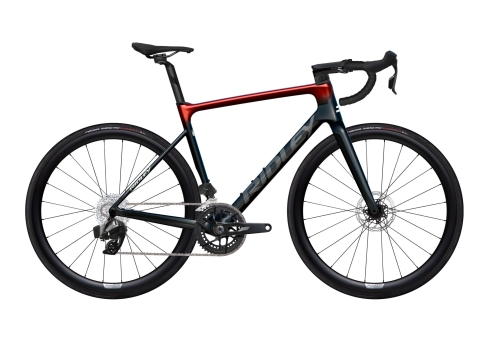 Ridley FALCN Rival AXS 2x12 / Black Red/Silver
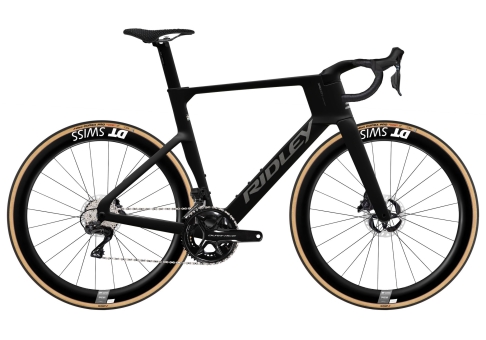 Ridley NOAH FAST 3.0 Dura Ace DI2 2x12 / Black/Anthracite Metallic
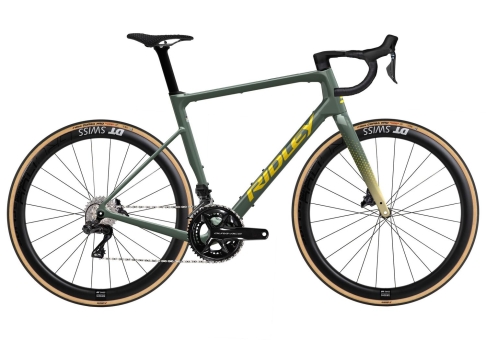 Ridley GRIFN RS ROAD Dura Ace DI2 2x12 / Green/Yellow
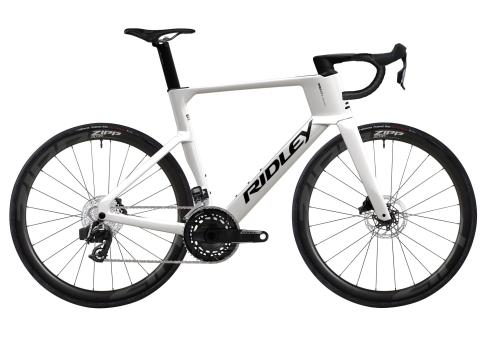 Ridley NOAH 3.0 Force AXS 2x12 / Pearl White/Black
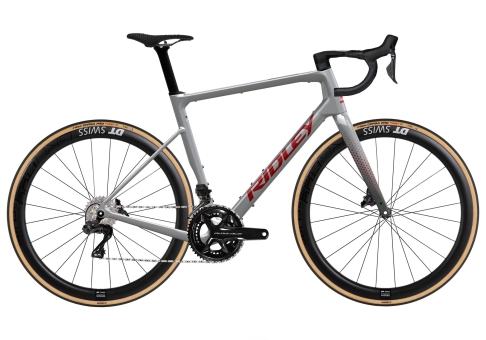 Ridley GRIFN RS ROAD Dura Ace DI2 2x12 / Battle Ship Grey/Candy Red Metallic
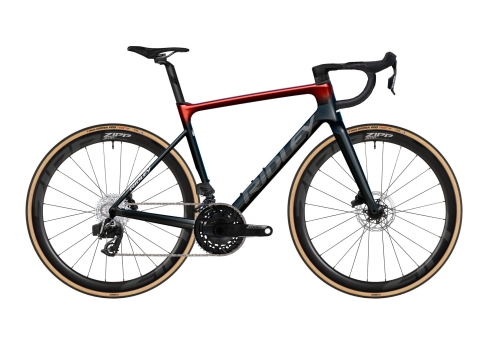 Ridley FALCN Force AXS 2x12 / Black Red/Silver
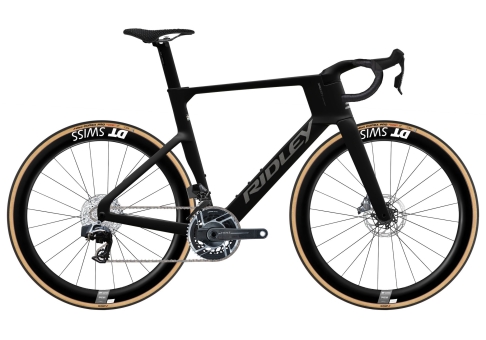 Ridley NOAH FAST 3.0 Red AXS 2x12 / Black/Anthracite Metallic
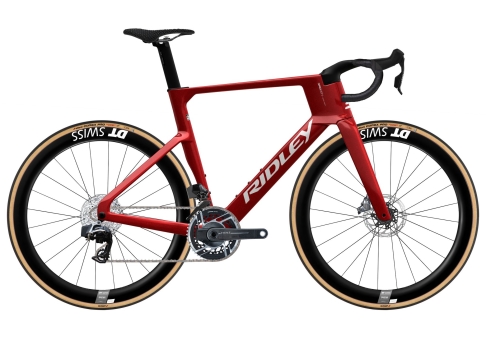 Ridley NOAH FAST 3.0 Red AXS 2x12 / Candy Red Metallic/Red
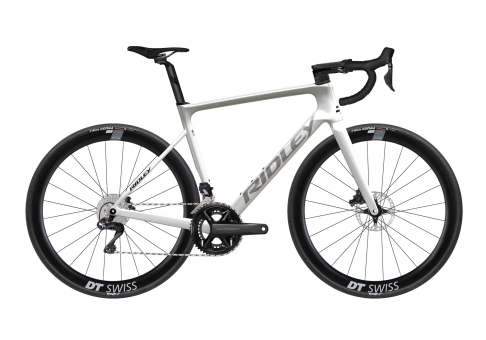 Ridley FALCN Ultegra DI2 2x12 / Pearl White + Silver/Black
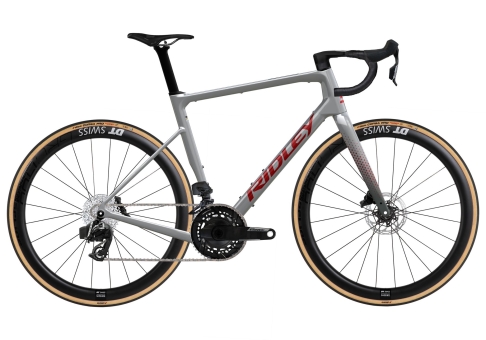 Ridley GRIFN RS ROAD Force AXS 2x12 / Battle Ship Grey/Candy Red Metallic
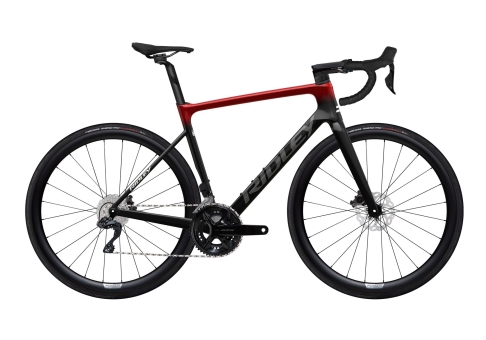 Ridley FALCN 105 DI2 2x12 / Black Red/Silver
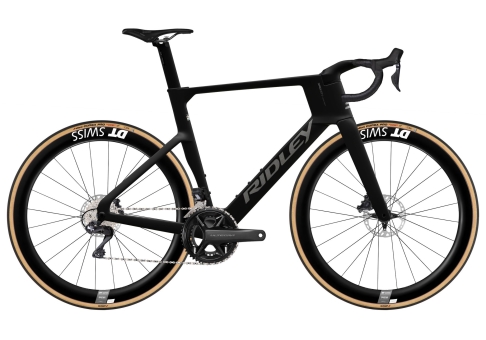 Ridley NOAH FAST 3.0 Ultegra DI2 2x12 / Black/Anthracite Metallic
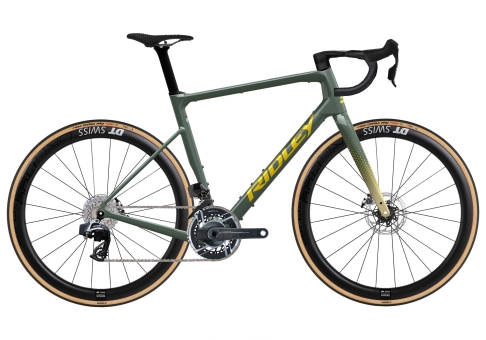 Ridley GRIFN RS ROAD Red AXS 2x12 / Green/Yellow
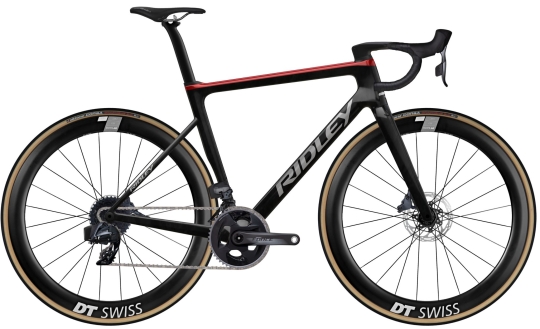 Ridley FALCN RS Red AXS 2x12 / UD Carbon/Candy Red Metallic
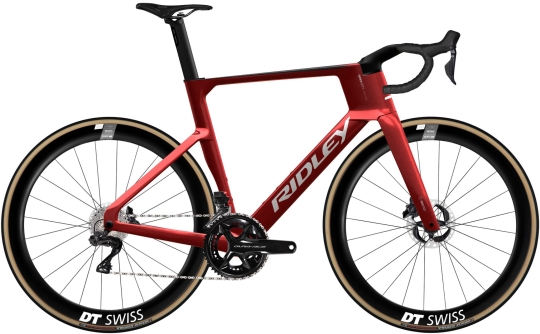 Ridley NOAH FAST 3.0 Dura Ace DI2 2x12 / Candy Red Metallic/Red
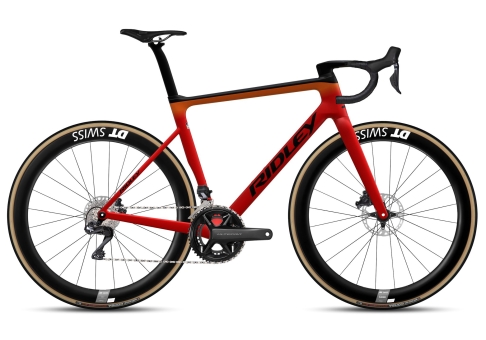 Ridley FALCN RS Ultegra DI2 2x12 / Black/Red - Orange
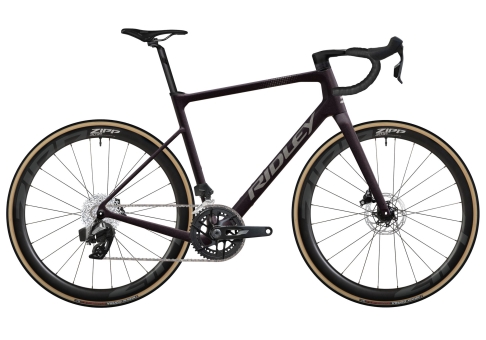 Ridley GRIFN ROAD Rival AXS 2x12 / Dark Plum Metallic/Autumn Grey
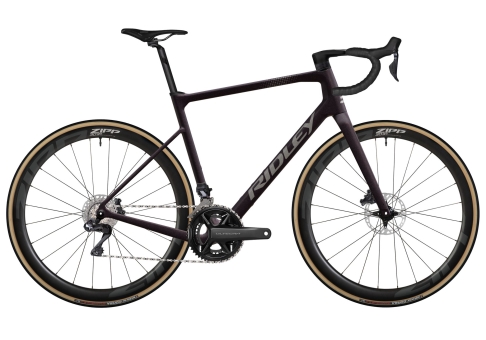 Ridley GRIFN ROAD Ultegra DI2 2x12 / Dark Plum Metallic/Autumn Grey
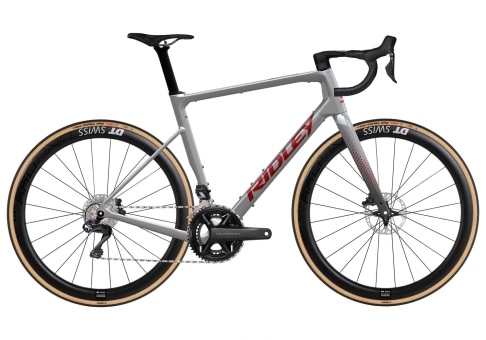 Ridley GRIFN RS ROAD Ultegra DI2 2x12 / Battle Ship Grey/Candy Red Metallic
.jpg) Ridley FALCN RS Force AXS 2x12 / UD Carbon/Candy Red Metallic
Ridley FALCN RS Force AXS 2x12 / UD Carbon/Candy Red Metallic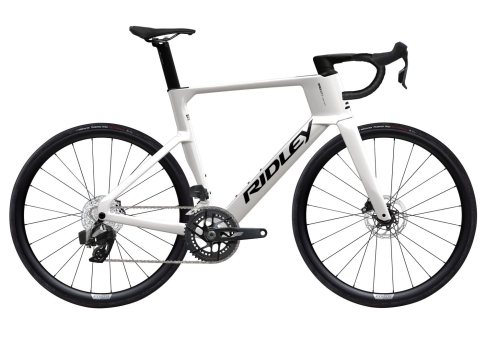 Ridley NOAH 3.0 Rival AXS 2x12 / Pearl White/Black
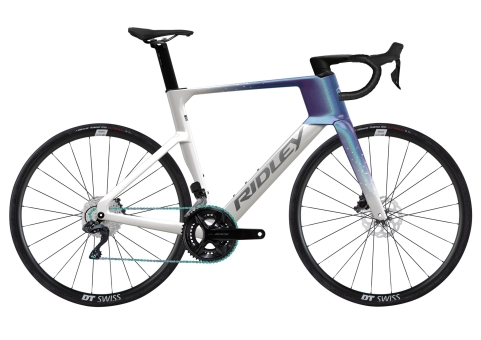 Ridley INVENIO NOAH 7E8 105 DI2 2x12 / Tomorrowland Edition/White
 Ridley FALCN RS Red AXS 2x12 / Black/Red - Orange
The beginnings of organized road cycling date back to the 1860s, when the first velocipedes with pedal drive appeared. On May 31, 1868, the first documented cycling race over 1,200 meters took place in Paris's Parc de Saint-Cloud, won by Englishman James Moore. Just a few months later, on November 7, 1869, Paris-Rouen became the first road race between two cities over 123 kilometers – again James Moore triumphed after 10 hours and 25 minutes on a Michaux velocipede with wooden wheels and iron tires. In the 1870s and 1880s, high-wheel bicycles dominated the racing scene, but with the invention of the safety bicycle (Rover Safety Bicycle) in 1885 and pneumatic tires in 1888, road bikes became safer and faster. In 1892, Liège-Bastogne-Liège was first held, the oldest classic still contested today, followed by Paris-Roubaix in 1896 and the first Tour de France in 1903.
The technical development of road bikes progressed rapidly. In the 1930s, Tullio Campagnolo introduced the first derailleur gear system, enabling gear changes while riding. In the 1970s, lightweight frames made of Reynolds steel tubing emerged, followed by aluminum frames in the 1980s. The biggest leap came with carbon fiber frames in the 1990s, raising weight and stiffness to new levels. From 2009, Shimano revolutionized electronic shifting with Di2, and in the 2010s, disc brakes found their way into professional road racing. Today's road bikes combine aerodynamic carbon frames, integrated cockpits, power meters, and tubeless tires into high-tech packages weighing under seven kilograms.
Road cycling today is more global than ever. The three Grand Tours – Tour de France, Giro d'Italia, and Vuelta a España – attract millions of spectators to the routes and screens each year. The classics such as Paris-Roubaix, Milan-San Remo, and the Tour of Flanders are considered the toughest one-day races in the world. Road cycling has been Olympic since 1896, and the UCI World Tour unites the best teams and riders in a global racing series. Parallel to professional sport, the amateur sector is booming: more and more hobby riders take part in gran fondos, mass-participation races, and RTF tours, riding the same routes as the pros.
Road bikes with electric motors are a relatively recent development, gaining significance from around 2017. Manufacturers such as Mahle, Fazua, and Bosch developed special lightweight drive systems that can be discreetly integrated into the bottom bracket or hub, weighing only 3.5 to 4.5 kilograms. The main reason for the growing popularity of e-road bikes is that they enable ambitious recreational riders to cover long distances in hilly terrain and keep up with stronger groups. Older riders appreciate the assistance to preserve their stamina, while commuters can still tackle a challenging ride after a workday thanks to the motor. Modern e-road bikes weigh between 10 and 13 kilograms and are visually barely distinguishable from traditional road bikes.