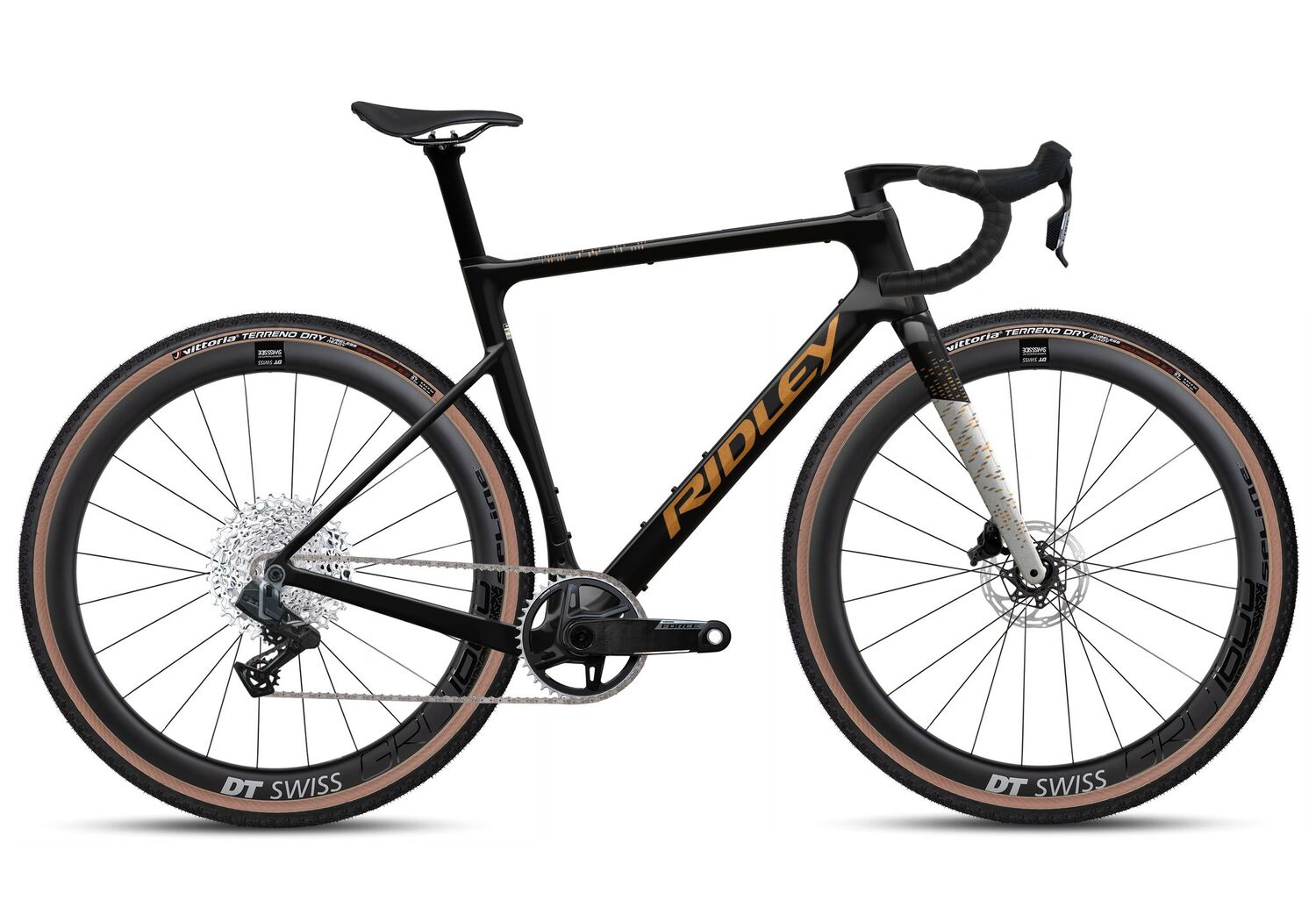
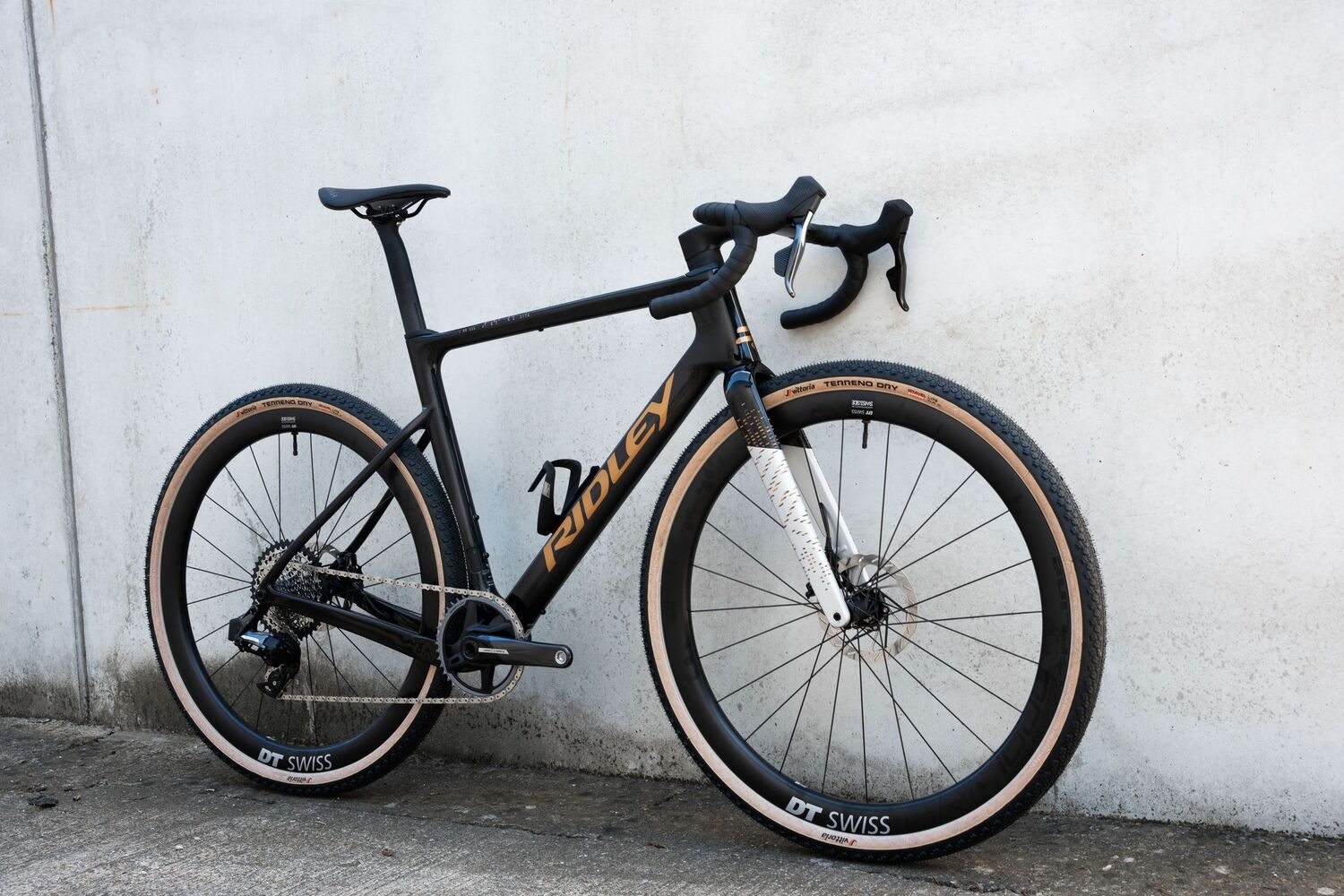
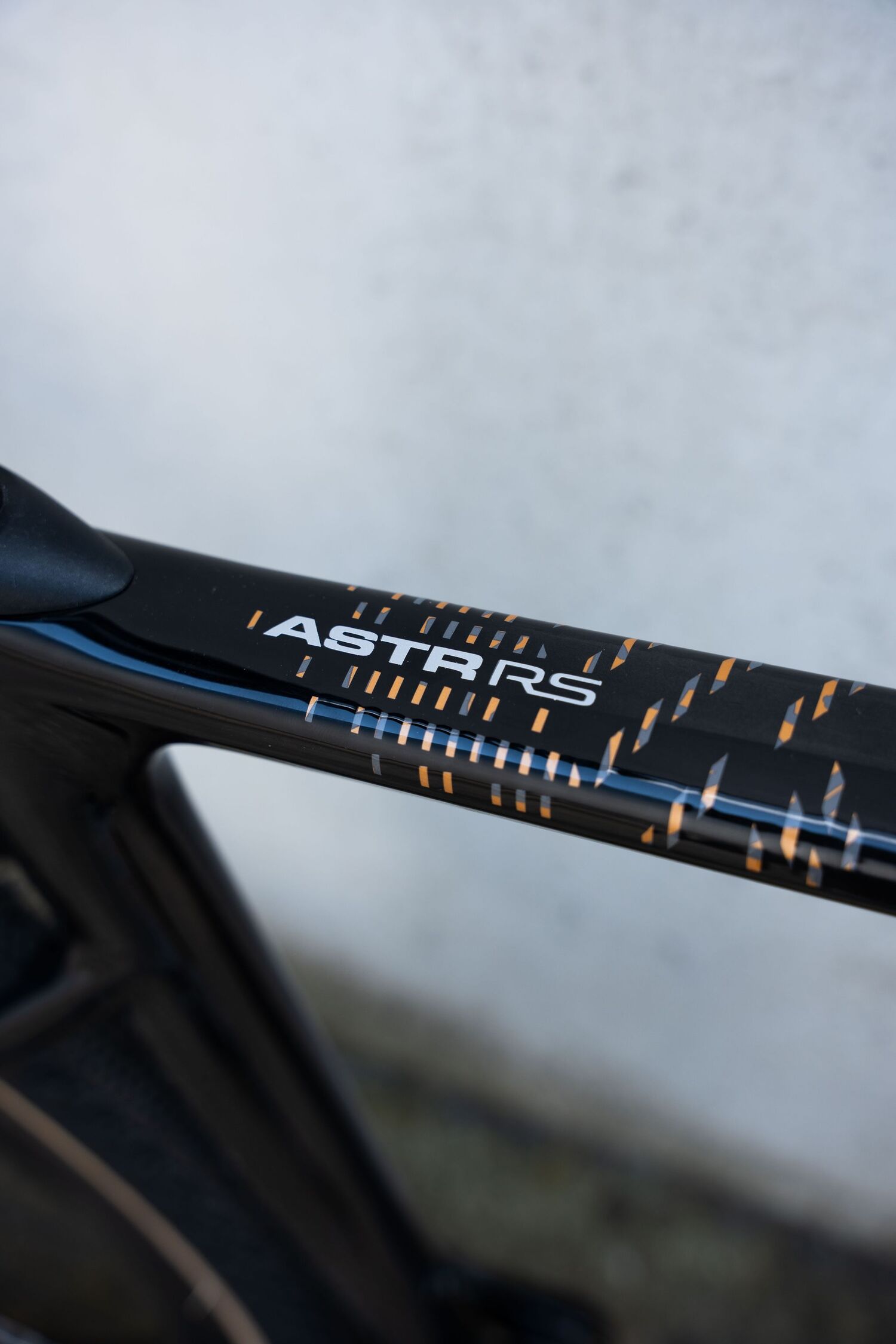
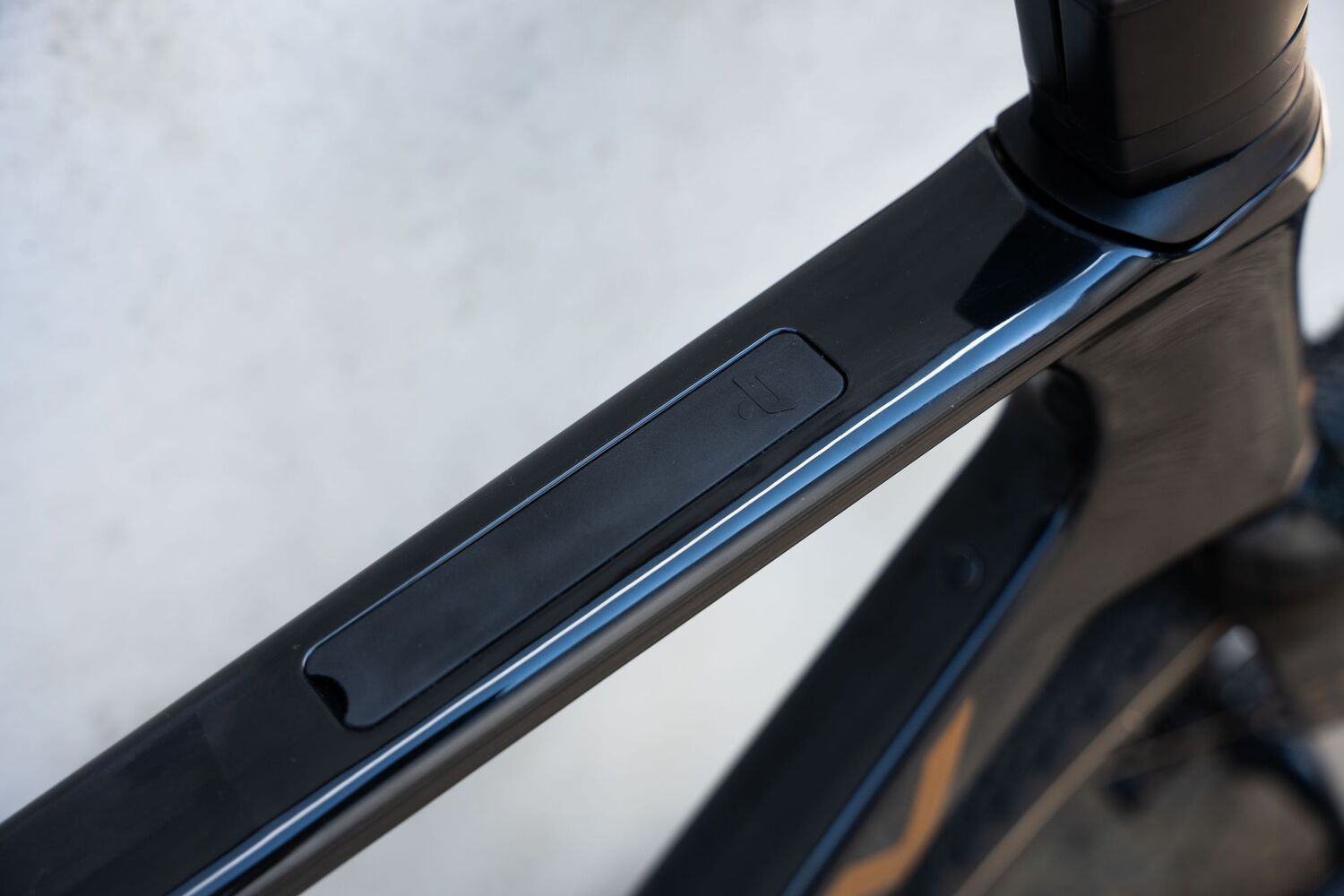
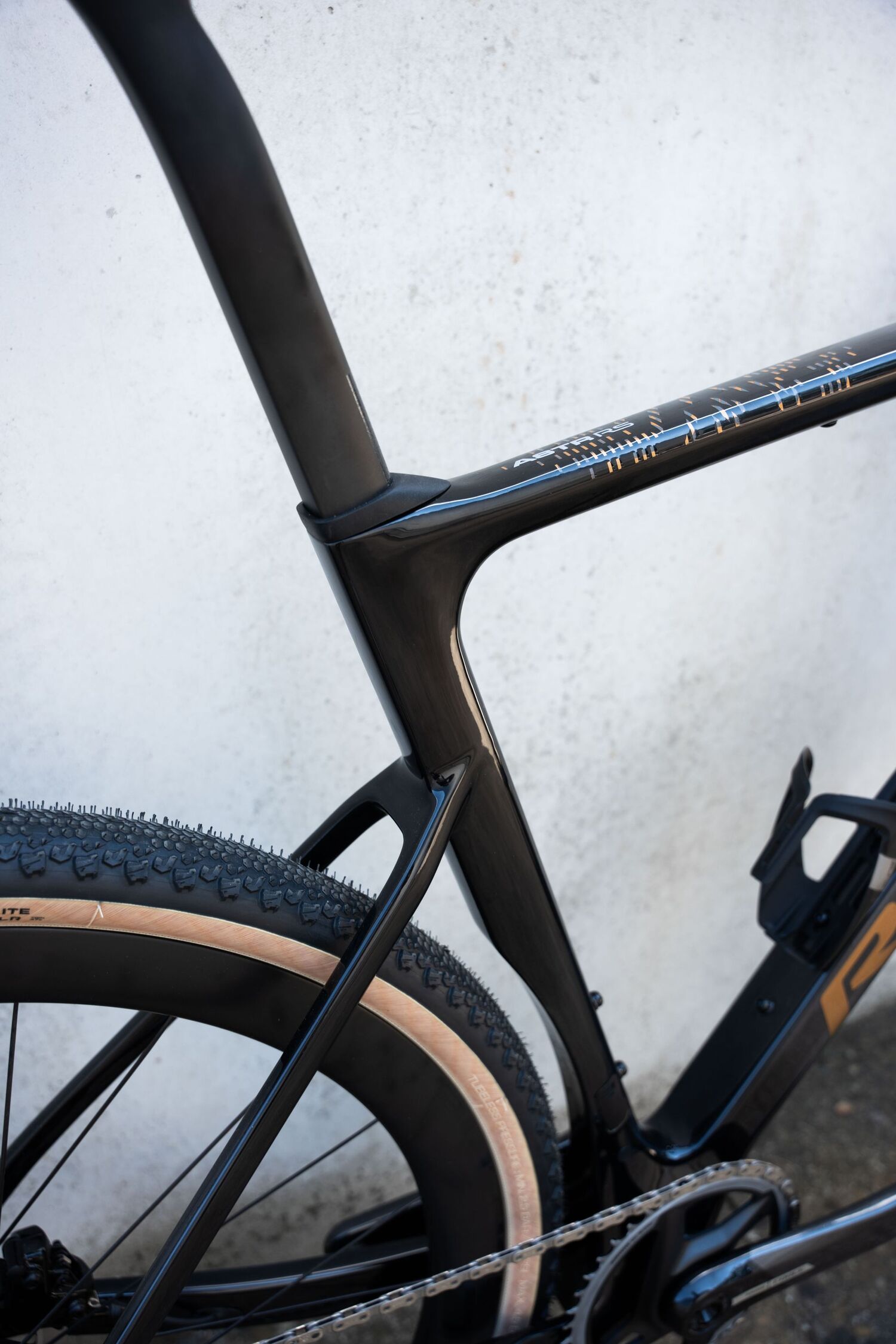
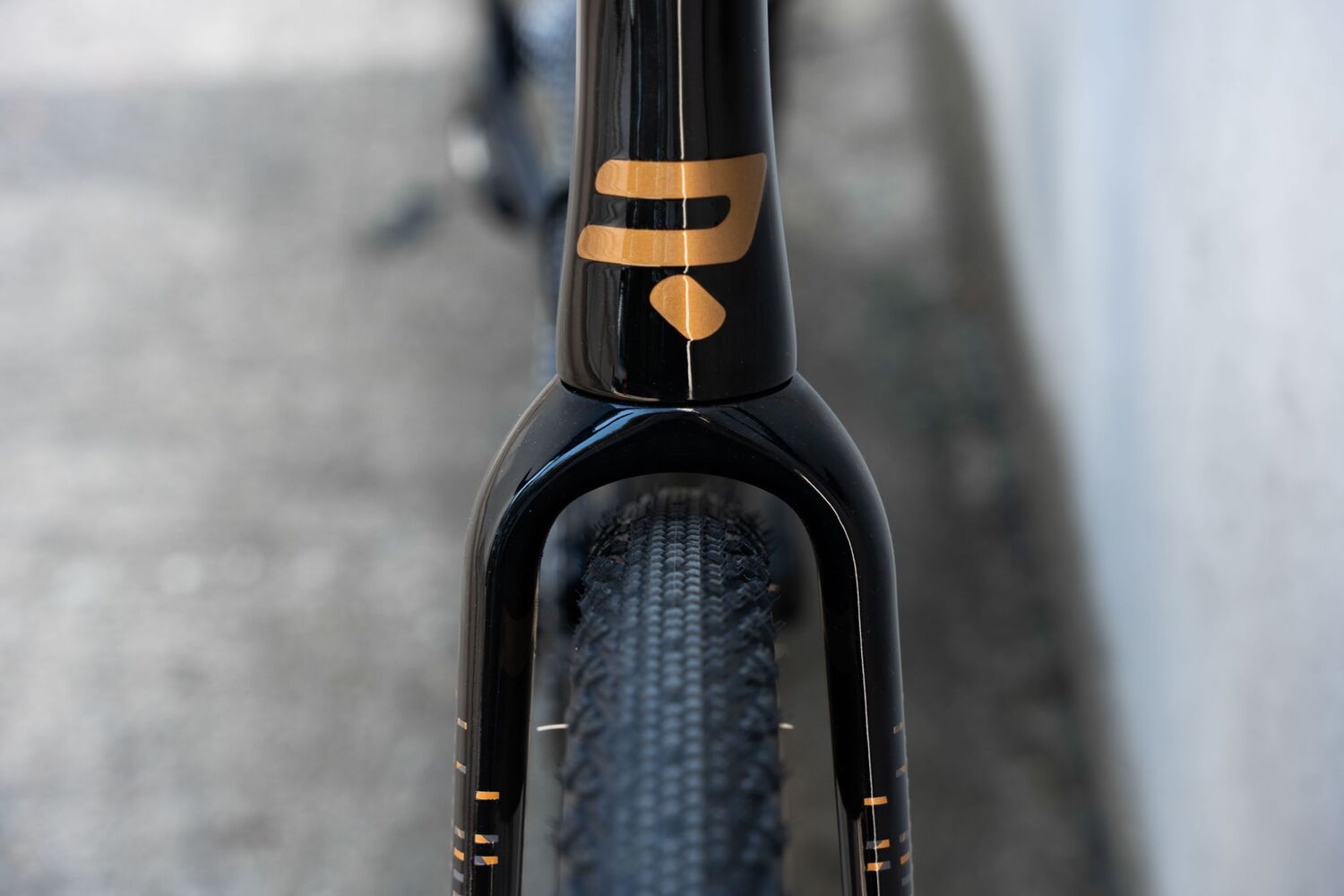
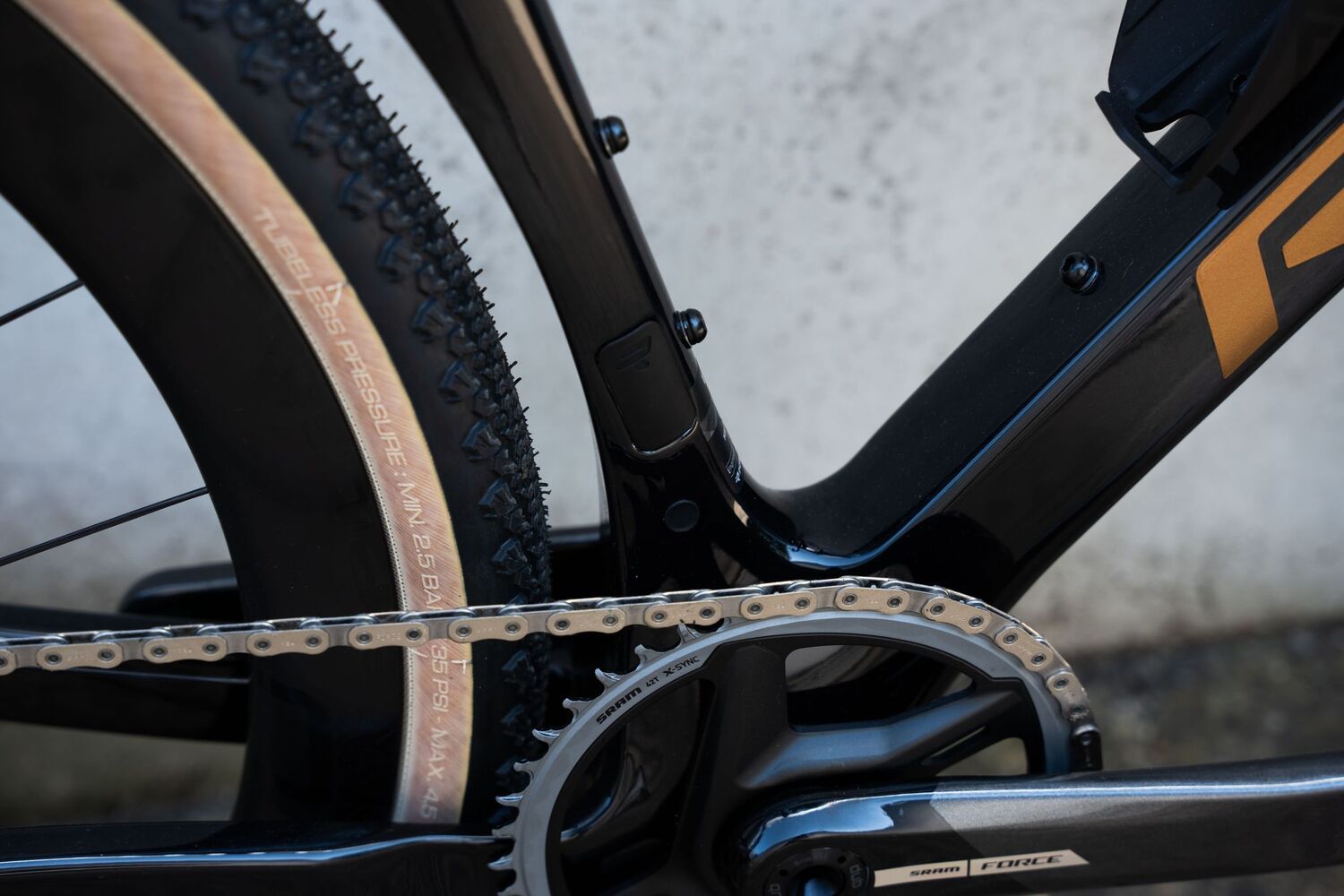

The ASTR RS combines aerodynamic efficiency with a low overall weight in an exceptionally powerful package. This version with SRAM Force XPLR, power metering and a unidirectional carbon finish is conceived specifically for modern gravel racing – and, thanks to generous tyre clearance and a stable geometry, ready for almost any terrain.
A video from an external video provider is displayed here. YouTube has its own cookies and may collect data on activities. Consent is required to view YouTube videos.
Enable Youtube videosThe ASTR RS is the racing flagship of the series and relies on a frameset made of elite-grade ultra-high-modulus carbon – a featherweight base around 890 grams (size M) that, thanks to 52 mm of tyre clearance (1x), accepts nearly any wide trail tyre combo. Aerodynamically profiled tubes and a fork with an integrated diffuser, derived from the FALCN RS aero-to-weight study, deliver a tangible efficiency gain. Propulsion comes from the SRAM Force XPLR in a 1x13 layout: a 42-tooth chainring and the 10–46 cassette produce 13 well-spaced gears covering steep climbs and the final sprint alike. A true highlight of this build is the watt meter inside the crankset, capturing power data directly at the crank; the completely wireless AXS system shifts via radio signal without cables or housings. Lighting is sought in vain on this race bike, as are rack eyelets – riders who want to stow gear on board use the aero frame and saddle bags with Apidura mounts. The racer is completed by the integrated Forza Nimbus Pro cockpit, the Forza aero seatpost, the 42 mm deep DT Swiss GRC1600 wheels, Vittoria Terreno Dry tyres with tan sidewalls and the comfortably shaped Selle Italia Novus Boost Superflow saddle. The XS frame size specifically addresses more compact riders.
ASTR serves as the platform's own family name and is pronounced "ASTor" – echoing the Latin "Aster" (star); the maker never published an official long form. RS is the official badge for "Racing Sport" and singles out the range topper. Force names the supplier's second-highest electronic groupset tier (below Red, above Rival), XPLR its gravel-focused "Explore" line. 1x13 stands for the layout of one chainring and thirteen sprockets – the widely spread yet simplified drivetrain route. UD carbon points to the visible unidirectional carbon fibre of the frame (Unidirectional), Silver to the silver-tinted accents; XS, finally, is the smallest available frame size.
The ASTR family divides into three lines that share the base geometry and tyre clearance. While the entry ASTR aims at a broad price bracket with HM carbon, a round seatpost and a conventional Deda cockpit, the ASTR RS relies on elite-series ultra-high-modulus carbon, a Forza aero seatpost and the fully integrated Nimbus Pro cockpit and shifts electronics only. The E-ASTR rounds out the range with an electric motor for boosted climbs. Against the older Kanzo Fast, the ASTR RS scores with newer aero development, larger tyre clearance and a more modern drivetrain; and compared with its ASTR siblings, this build further impresses with the 13-speed drivetrain, the crank-mounted power meter and the premium carbon wheels in a silver finish over visible UD laminate.
The ASTR RS is designed for gravel races from start line to finish line: a longer wheelbase, a slacker head angle and a low-set bottom bracket guarantee confidence and stability even at top speed, while the dropped front end encourages an aerodynamic posture. Because gravel racing keeps getting rougher and faster, the frame accommodates tyres up to 52 mm wide and soaks up unevenness without sacrificing comfort. Anyone who wants to train structurally with a power meter and fight for seconds on event day is exactly right here – unlike the tour-friendly Kanzo Adventure and the everyday-oriented Grifn RS, this bike does not carry heavy loads: it shines on the race route, not in the luggage. Riders seeking dependable speed get the series' full performance programme.
 Stevens 2026 AVIOLO 9.1 HT / Black Mercury
 Ridley ASTR GRX800 DI2 2x / Black Metallic/Bronze Gold
 Ridley FALCN RS Dura Ace DI2 2x12 / UD Carbon/Candy Red Metallic