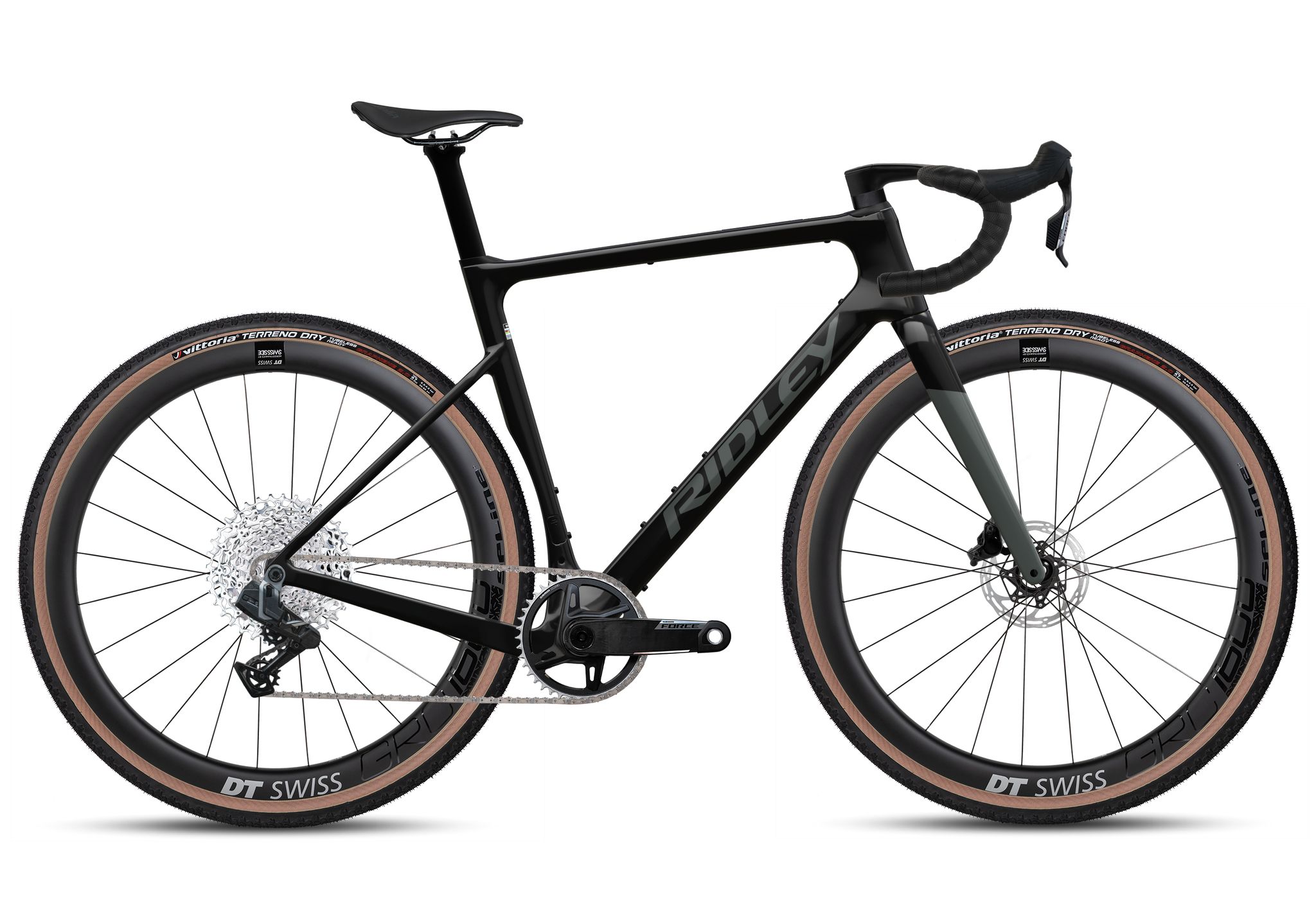
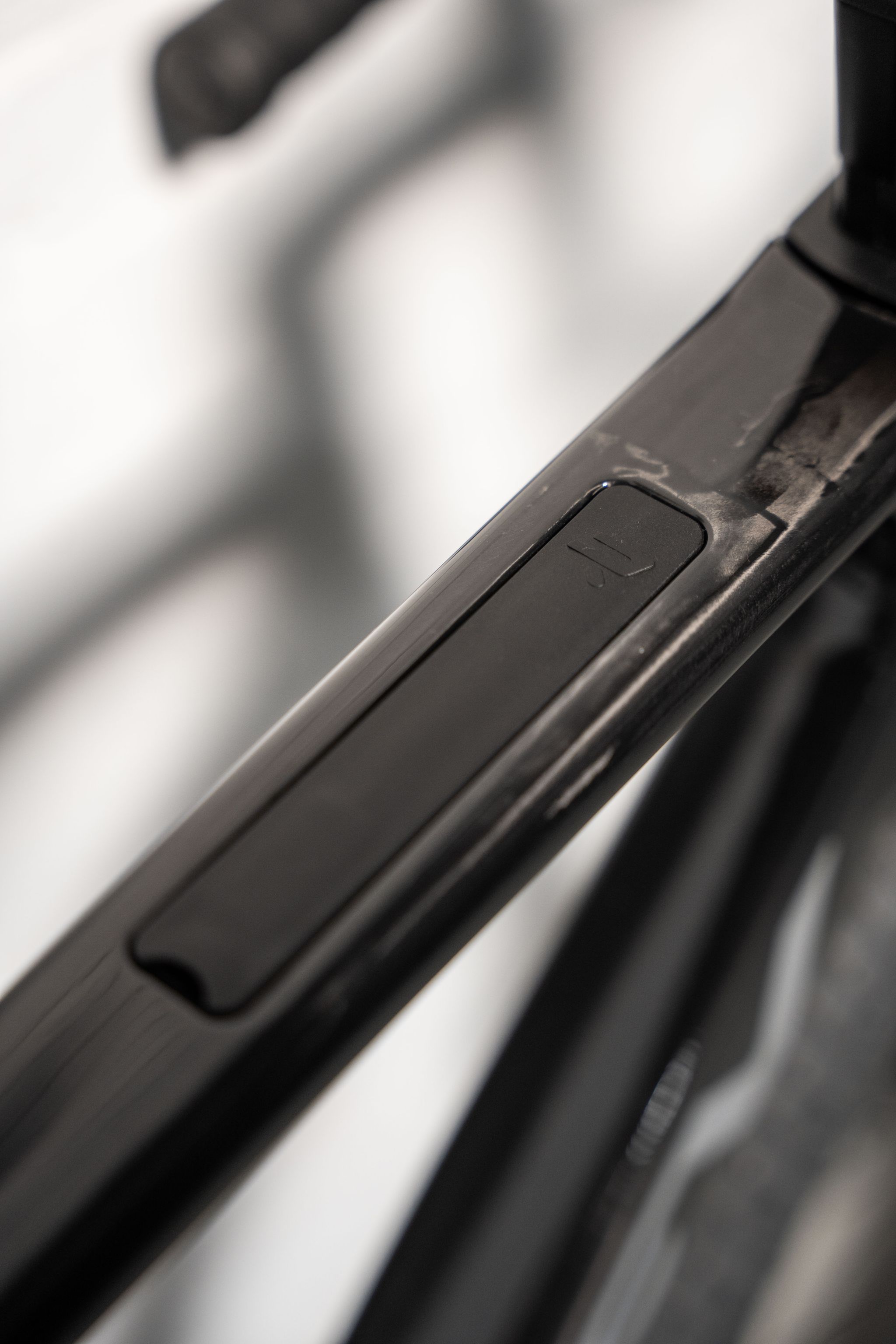
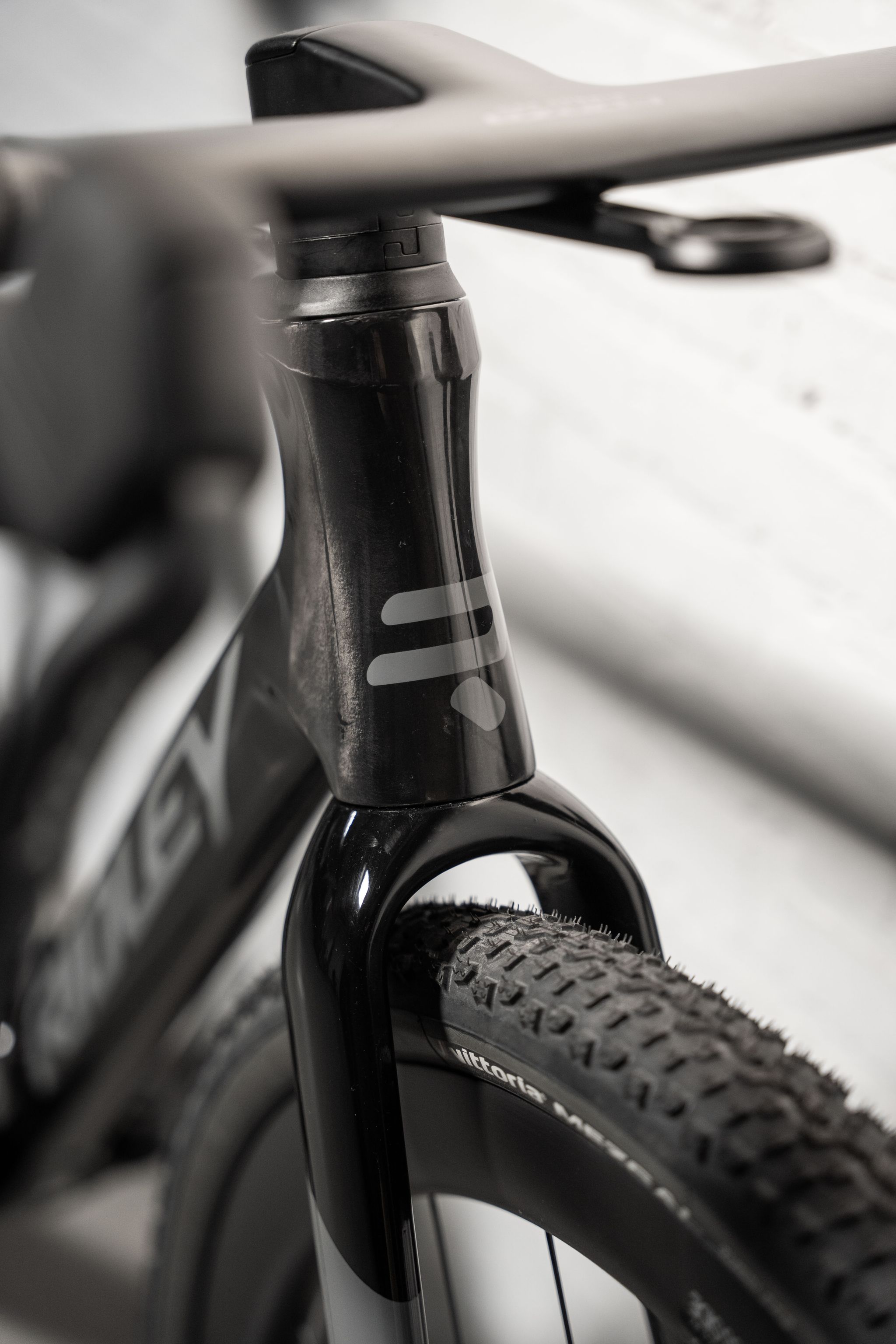
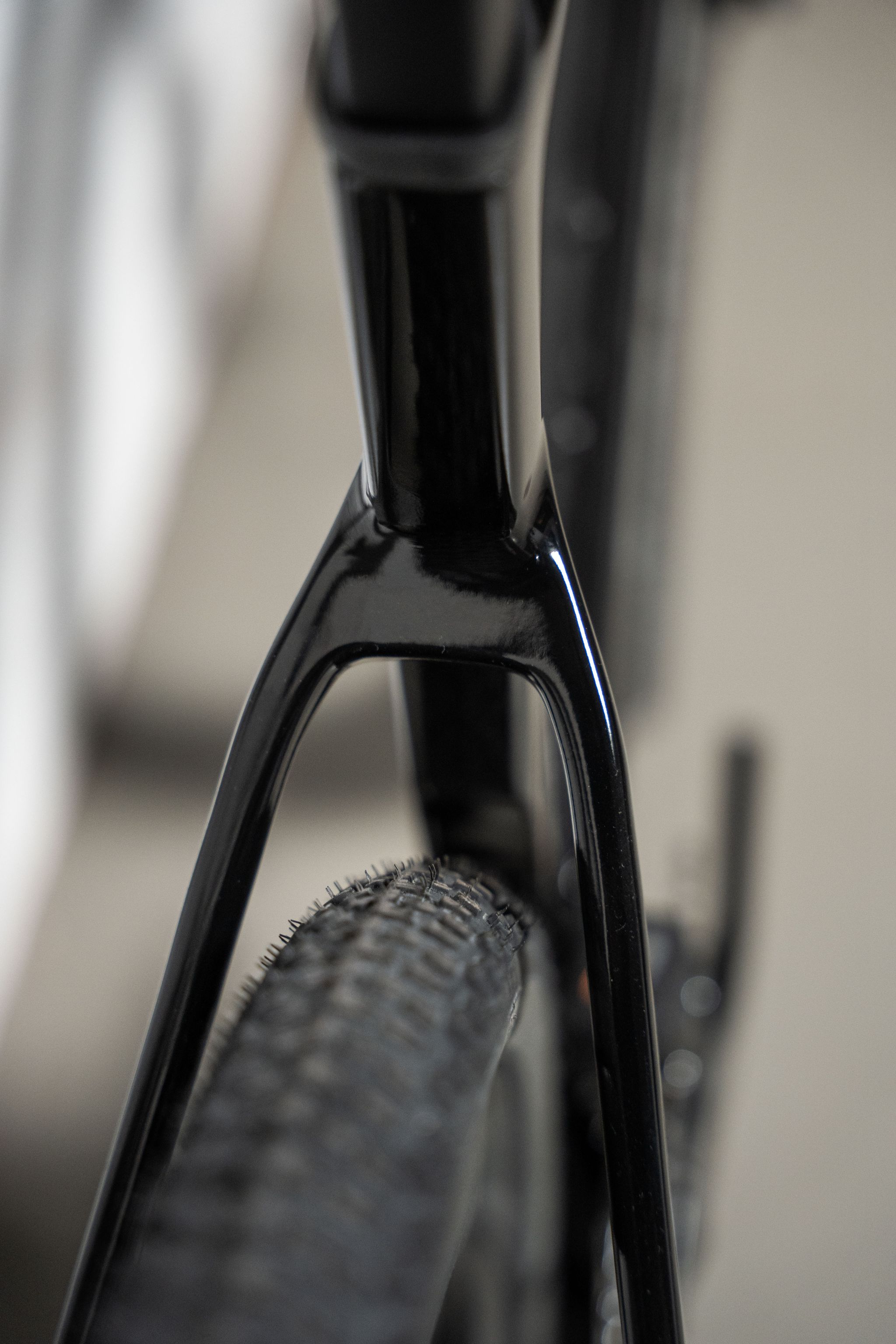
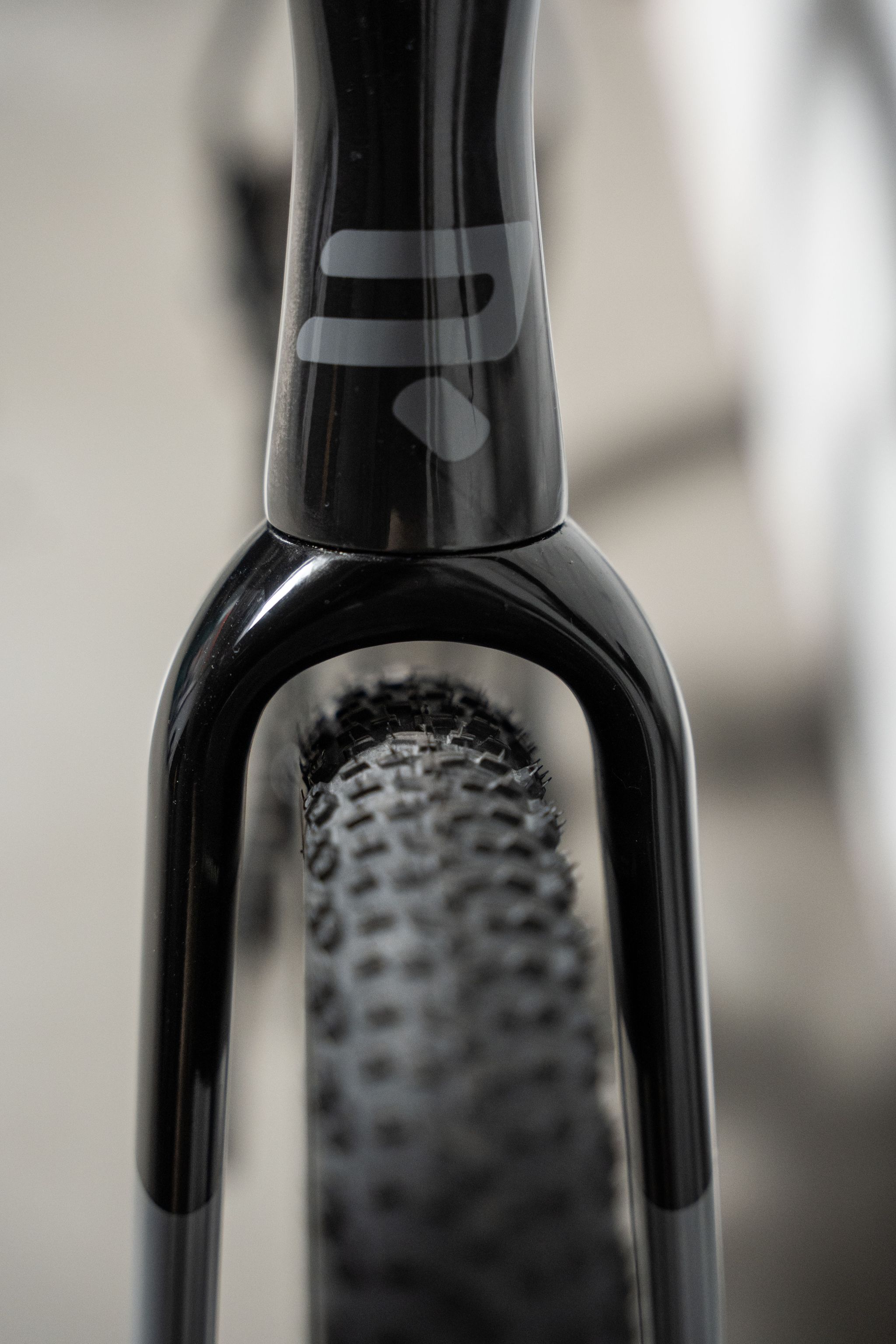

The ASTR RS combines wind-tunnel efficiency with a remarkably low overall weight – and this model wraps exactly these strengths in an unassuming dove-grey dress. The Force XPLR equipment brings fully wireless shifting plus a built-in power meter without visually shouting race technology.
A video from an external video provider is displayed here. YouTube has its own cookies and may collect data on activities. Consent is required to view YouTube videos.
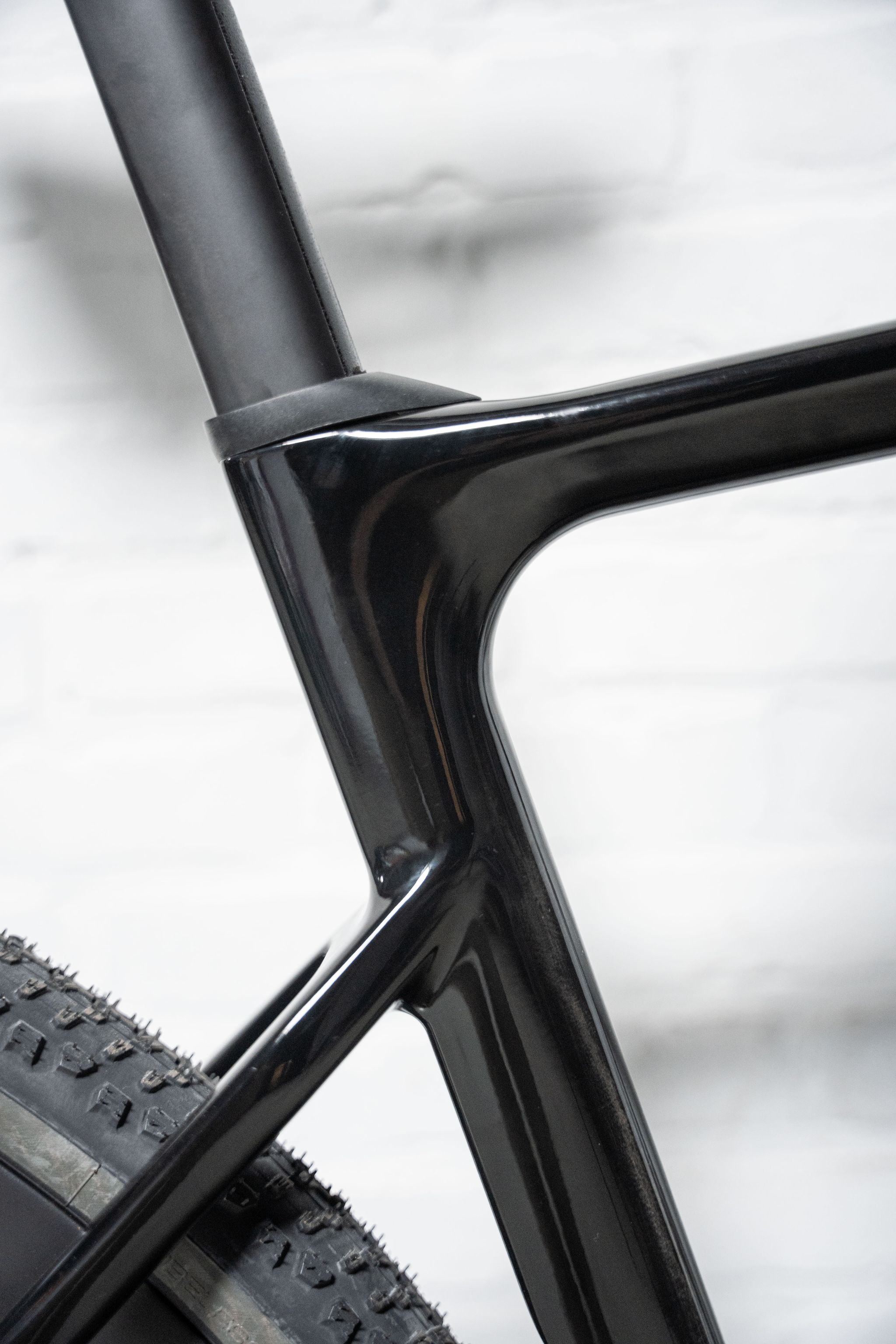
Enable Youtube videosAt the heart works an ultra-HM carbon frame that weighs only around 890 grams as a bare chassis and emerged from the aero-to-weight study of the FALCN RS; the fork relies on an integrated crown diffuser. A longer wheelbase, a slacker head angle and a lowered bottom bracket give the bike a calm, confident stance, while the 52 mm tyre clearance even allows wide tyres. Shifting is handled by SRAM Force XPLR 1x13: the 42-tooth crank houses a power meter sitting only in the spindle, the AXS derailleur communicates wirelessly and the 10–46 cassette provides thirteen gears – entirely without external cables. The 42 mm deep DT Swiss GRC1600 carbon wheels with 24 mm internal width roll on Vittoria Terreno Dry tyres in 700x47c with light sidewalls. The package is completed by the Nimbus Pro handlebar in Stealth Black, the Forza Aero seatpost with six millimetres of offset and a Selle Italia Novus Boost Superflow saddle on manganese rails. Lighting systems and racks are absent; instead the mounts for aero bags remain, so even light bikepacking is possible at any time. The XS size is available alongside five more frame sizes.
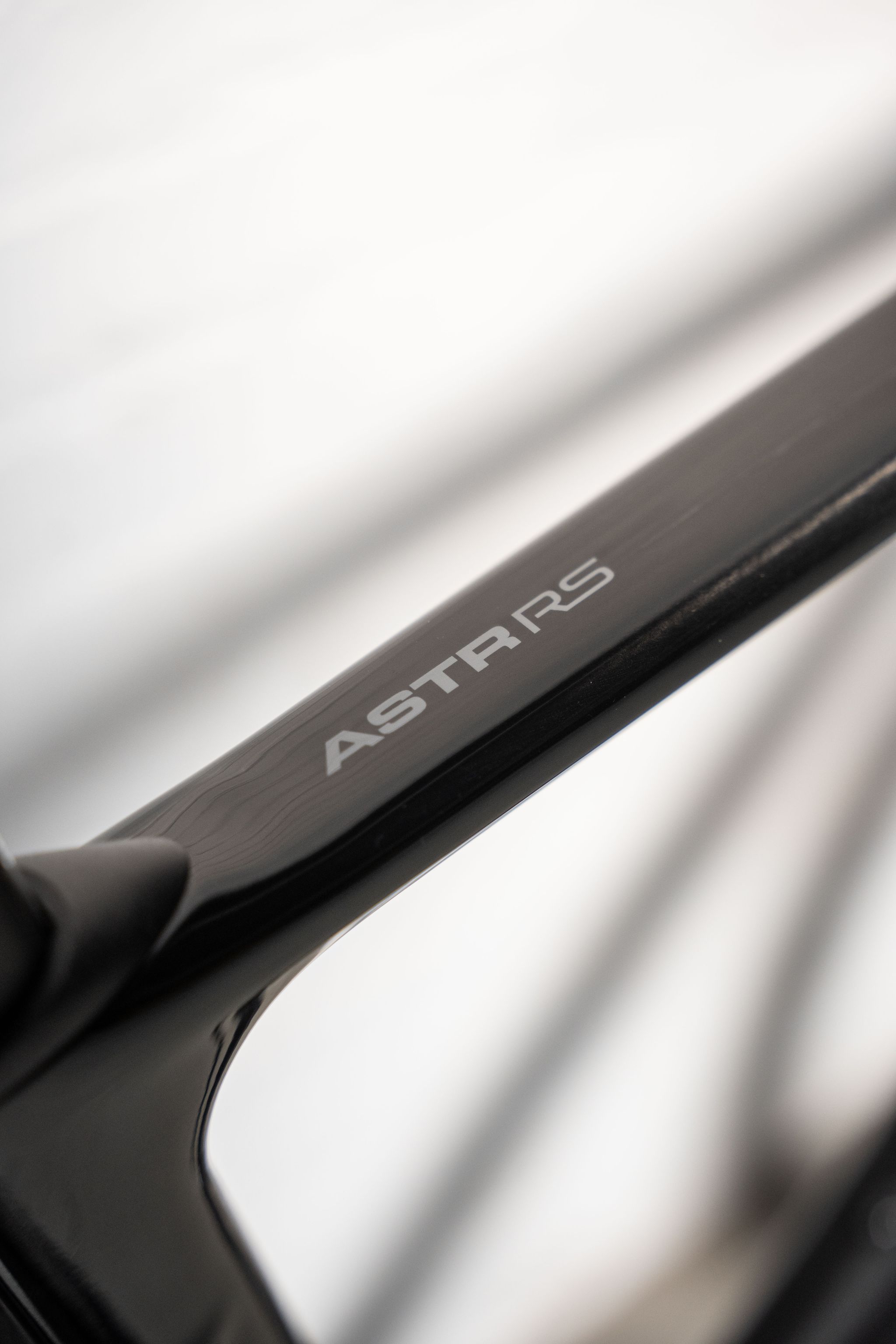
ASTR is the name of the gravel platform, pronounced "ASTor", derived from the Latin "Aster" (star); no official long version exists. RS abbreviates "Racing Sport" and marks the performance-oriented elite variant. Force denotes the second-highest electronic groupset class, XPLR the gravel line ("Explore"). 1x13 names a single chainring with thirteen sprockets. UD Carbon stands for the visible unidirectional fibre lay-up, and Dove Grey names the light grey tone in the model's title.
Within the ASTR RS range this build takes the middle position: priced lower than the Red version, yet with identical wireless logic placed commercially above the Shimano devices. Against the base ASTR, the RS brings elite carbon, the aero seatpost and the more slippery tubes; against the mechanical or electric twin-ring models it dispenses with the front derailleur and thereby gains cockpit clarity and ease of care. The manganese saddle rails and the slimmer GRC1600 rims in turn visibly separate it from the Red class.
This bicycle is meant for modern gravel races and intensive training on mixed ground: aerodynamics, low weight and the power meter help riders save energy over the distance. Those planning expeditions with lots of luggage are better served by the Kanzo Adventure, which carries lighting and racks from the factory; those seeking cyclocross-specific demands find other models in that category environment. This grey variant thus remains the unobtrusive sports machine of the ASTR family – ready for fast loops, clear data and the next start.
 Ridley ASTR GRX800 DI2 2x / Black Metallic/Bronze Gold
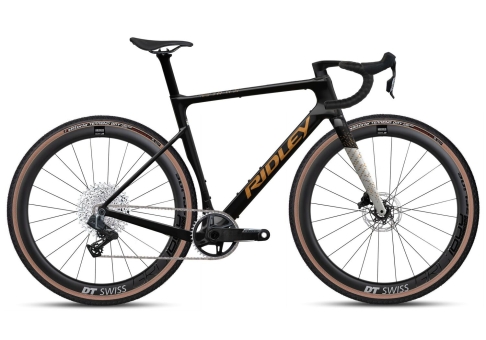 Ridley ASTR RS Force XPLR 1x13 / UD Carbon/Silver
 Stevens 2026 AVIOLO 9.1 HT / Black Mercury