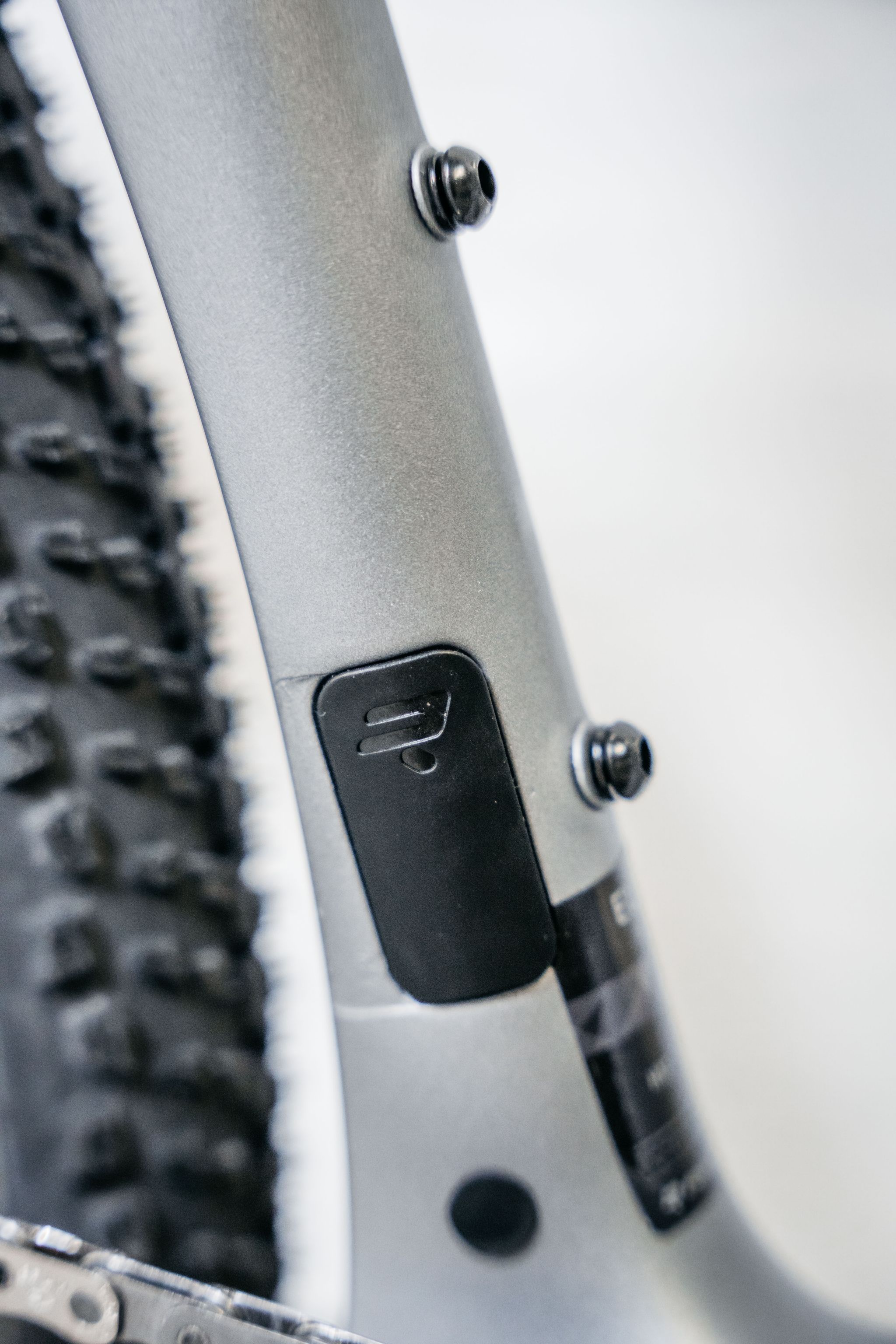
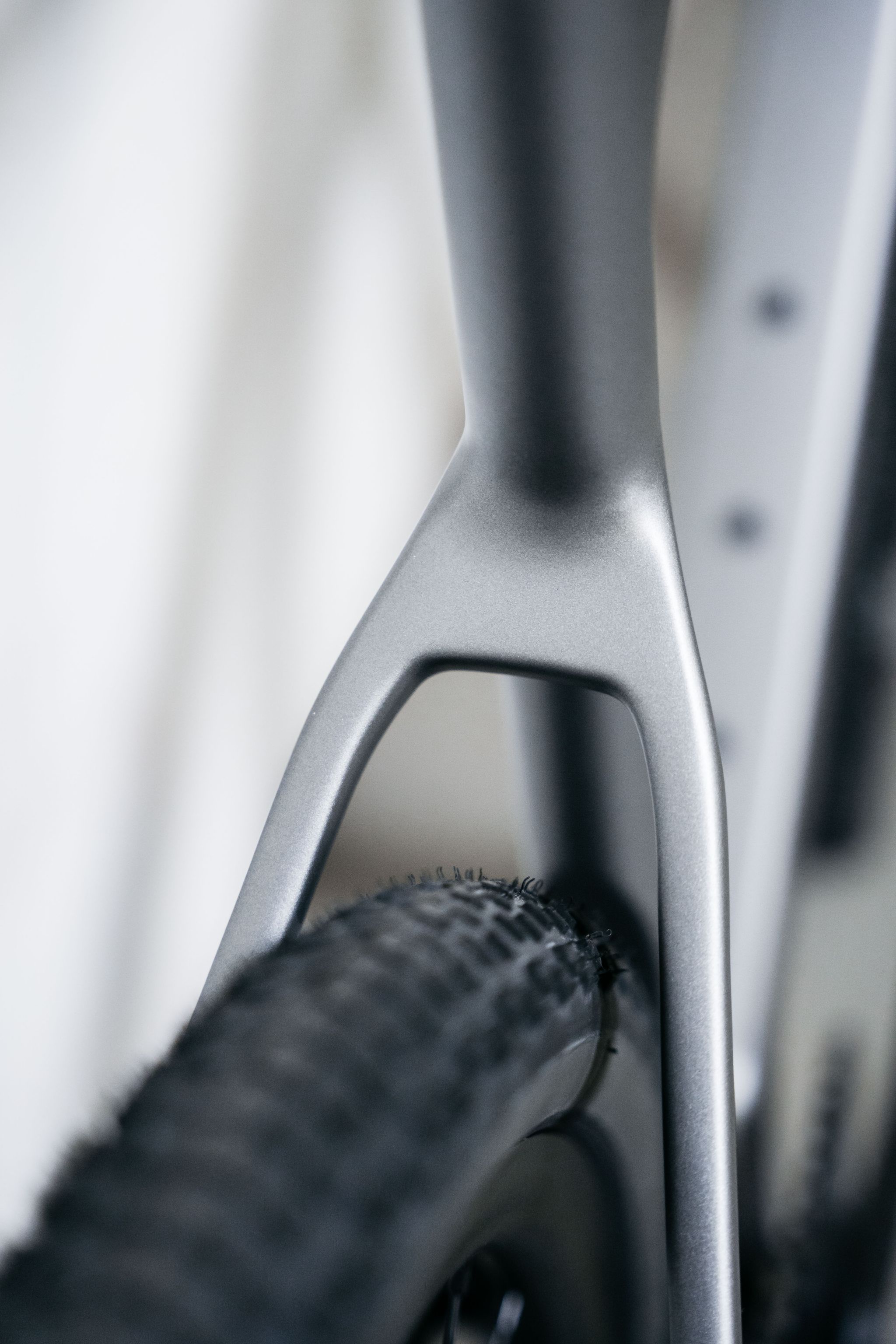
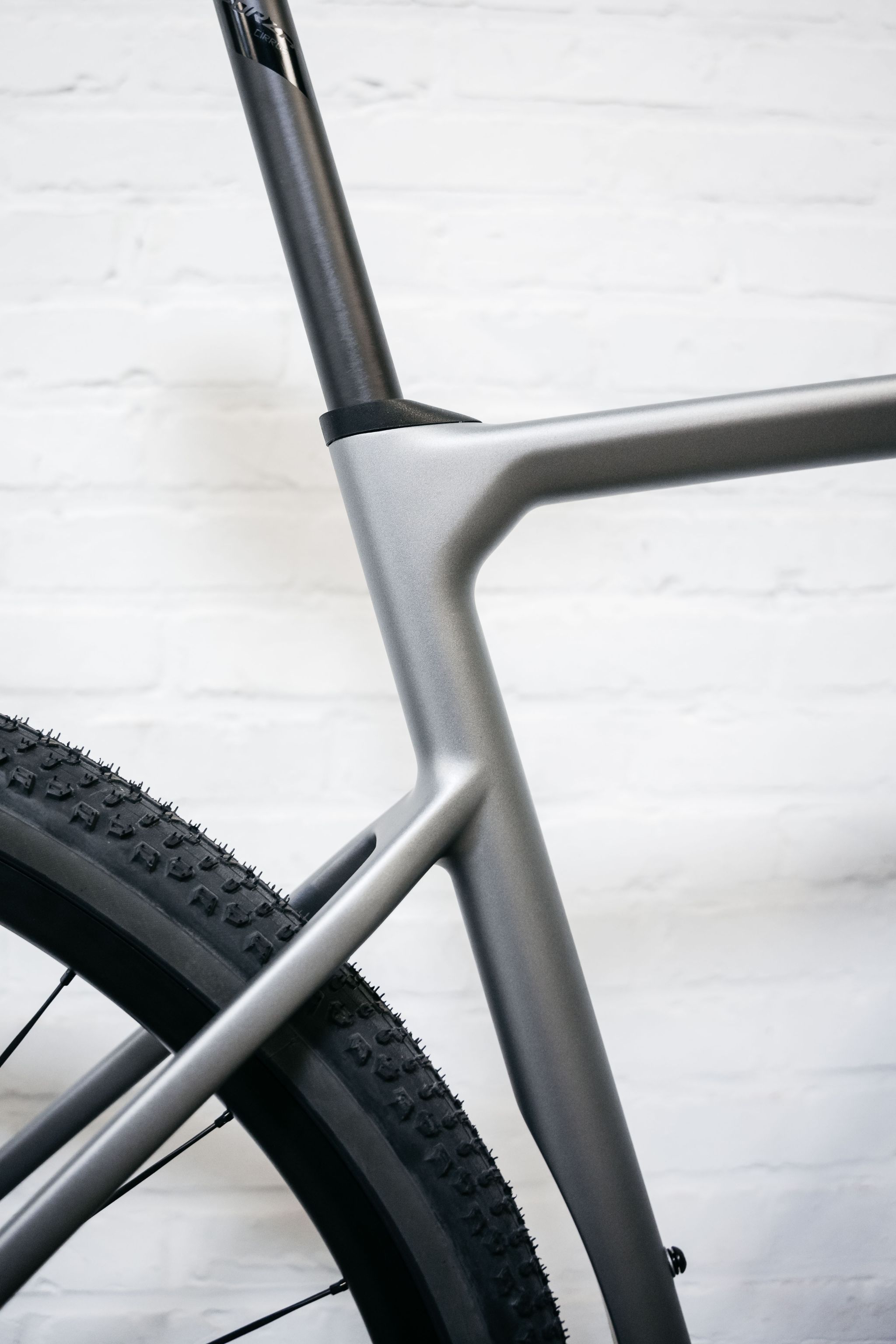
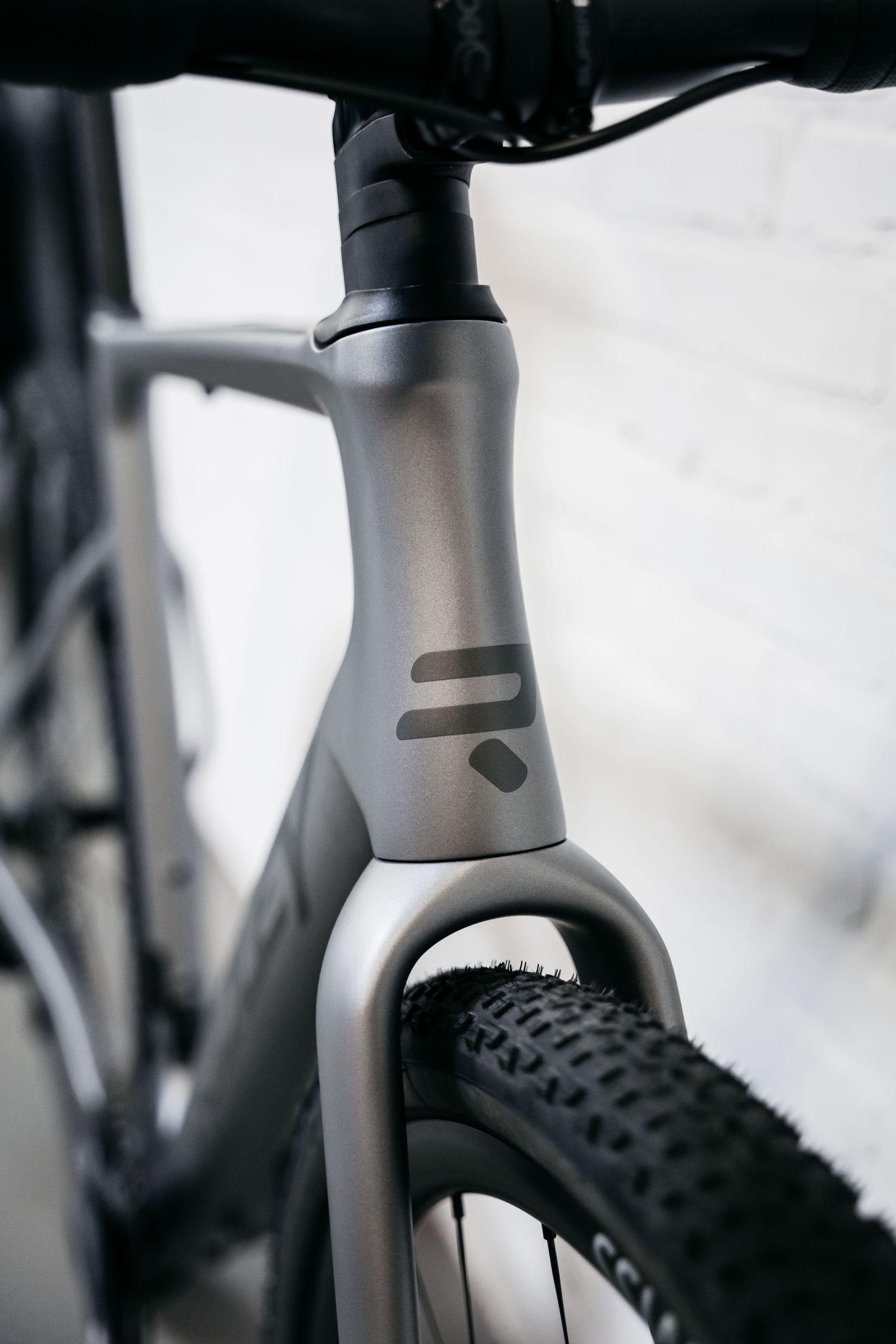

The ASTR democratises the findings of its race version: ambitious amateurs receive the same performance chassis logic here at a comparatively gentle entry price. The Black Metallic/Bronze Gold colour combination lifts the looks well above the usual black-at-work level.
A video from an external video provider is displayed here. YouTube has its own cookies and may collect data on activities. Consent is required to view YouTube videos.
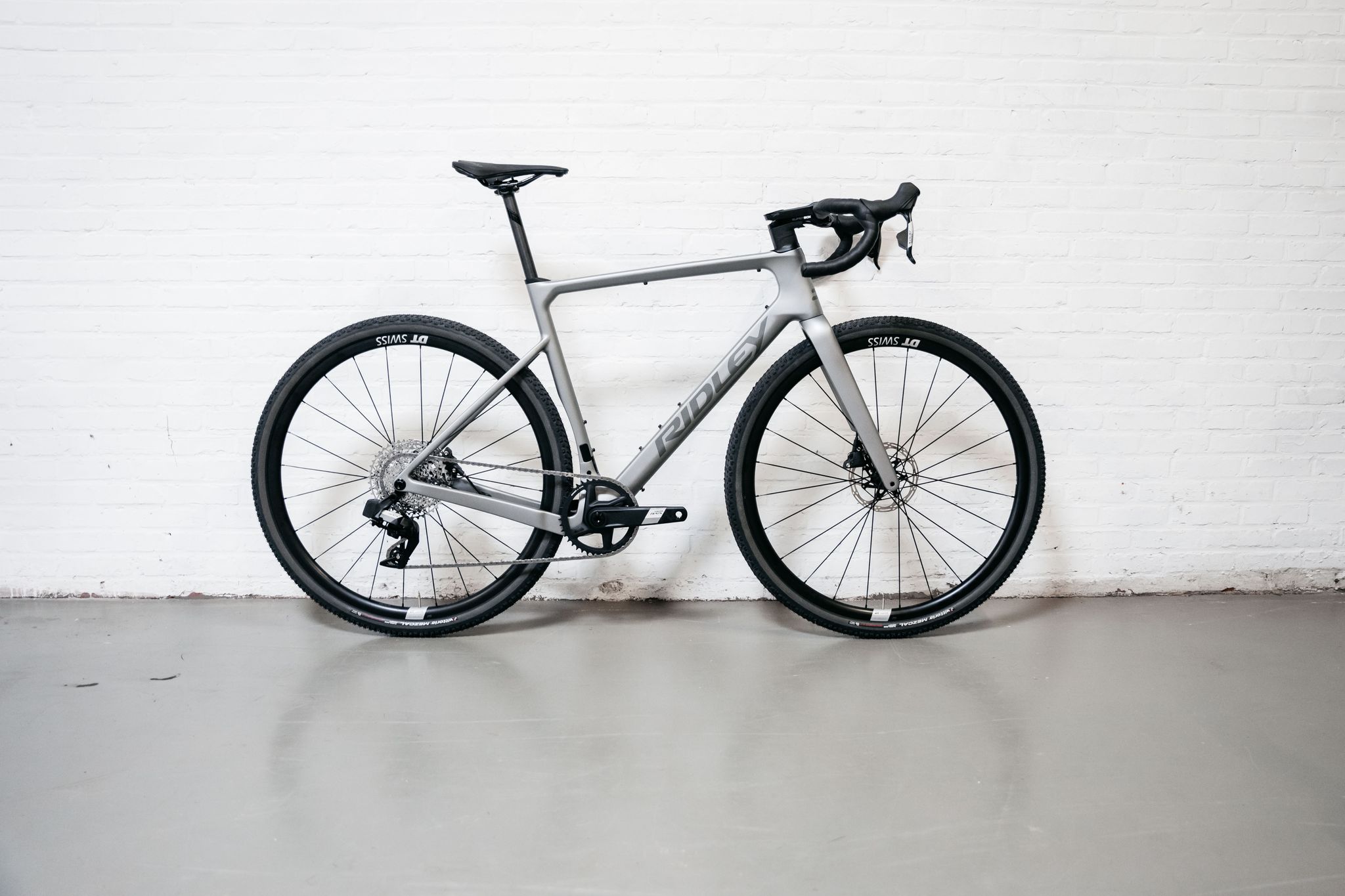
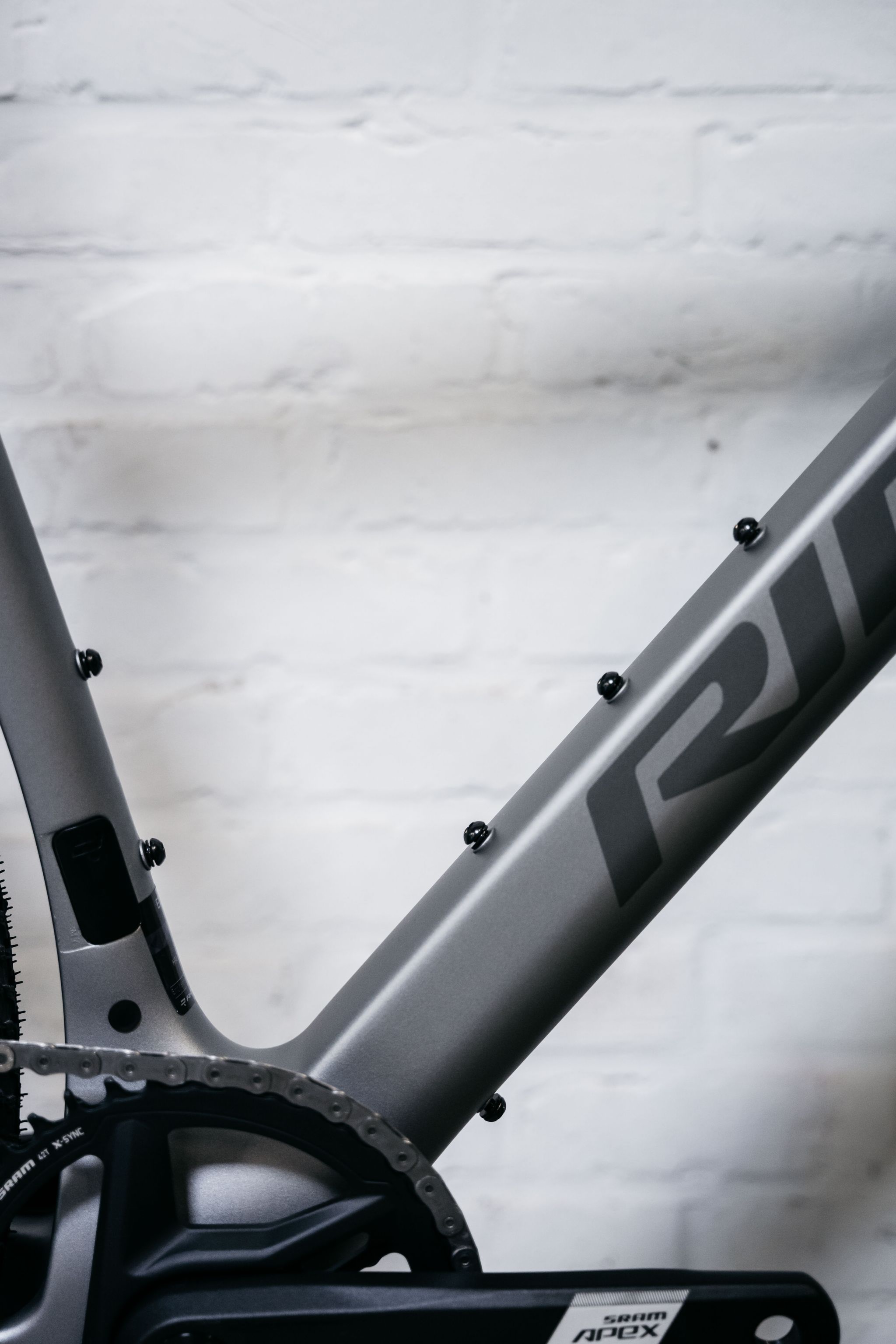
Enable Youtube videosUnder the two-tone paintwork works an HM carbon frame with a factory diffuser in the fork crown, short chainstays, a lowered bottom bracket and generous clearance for tyres up to 52 millimetres in 1x and 47 millimetres in 2x operation. The drivetrain comes from SRAM in the Apex class: the XPLR AXS ensemble consists of the 42-tooth crank with 172 mm arms, the wireless derailleur and an 11–44 cassette – resulting in twelve gears without any cable routing, which greatly boosts cleanliness and ease of maintenance. The wheels are DT Swiss G1800 Spline hoops with 24 mm internal width, fitted with Vittoria Terreno Dry tyres in 700x47c and a light side flank. Steering runs through Deda hardware (Superzero alloy gravel bar with a 16-degree flare plus Super Box stem), seating on an S.S.Marco Shortfit Open-fit 2.0 Start Up, supported by the zero-offset 4ZA Cirrus post. Lighting systems are absent; the mounts for aero bags still allow light bikepacking. The XL dimensions offer tall people enough reach in a stable posture.
ASTR is the name of the platform, pronounced "ASTor", coined from the Latin "Aster" (star); no official long version has ever been published. Apex names the entry tier of the electronic fast-shifting groupset, XPLR the gravel-specific line ("Explore"), AXS the wireless shifting protocol. 1x12 stands for a single chainring and twelve sprockets. The Black Metallic/Bronze Gold colour describes the gloss-black base tone with bronze-golden accents.
While higher-priced variants rely on integrated carbon bar solutions, deep carbon wheels or the large 13-speed spread, this build deliberately focuses on core virtues: an alloy cockpit from Deda, robust G1800 rims, anodised components in classic scope and a twelve-gear set with an 11–44 range. At the same time it shares the decisive foundation with all other ASTR bikes – the HM carbon chassis, the race-grade head and seat angles and the optional aero-bag positions. Thus the character of the series remains tangible while the budget pressure falls away.
This machine is the partner for brisk countryside rides, long training sessions and spontaneous dirt races: the steeper seat tube plus lively steering reward performance, the wide tyres provide comfort and the wireless gearing keeps upkeep low. It is no expedition hauler, however – for that, the Kanzo Adventure with its dual light and rack equipment would be the right address. And those seeking maximum aero use find an ancestor in the classic Kanzo Fast, which cannot keep up on tyre clearance. Exactly in this gap between touring and race profiles, the black-gold ASTR has found its place.
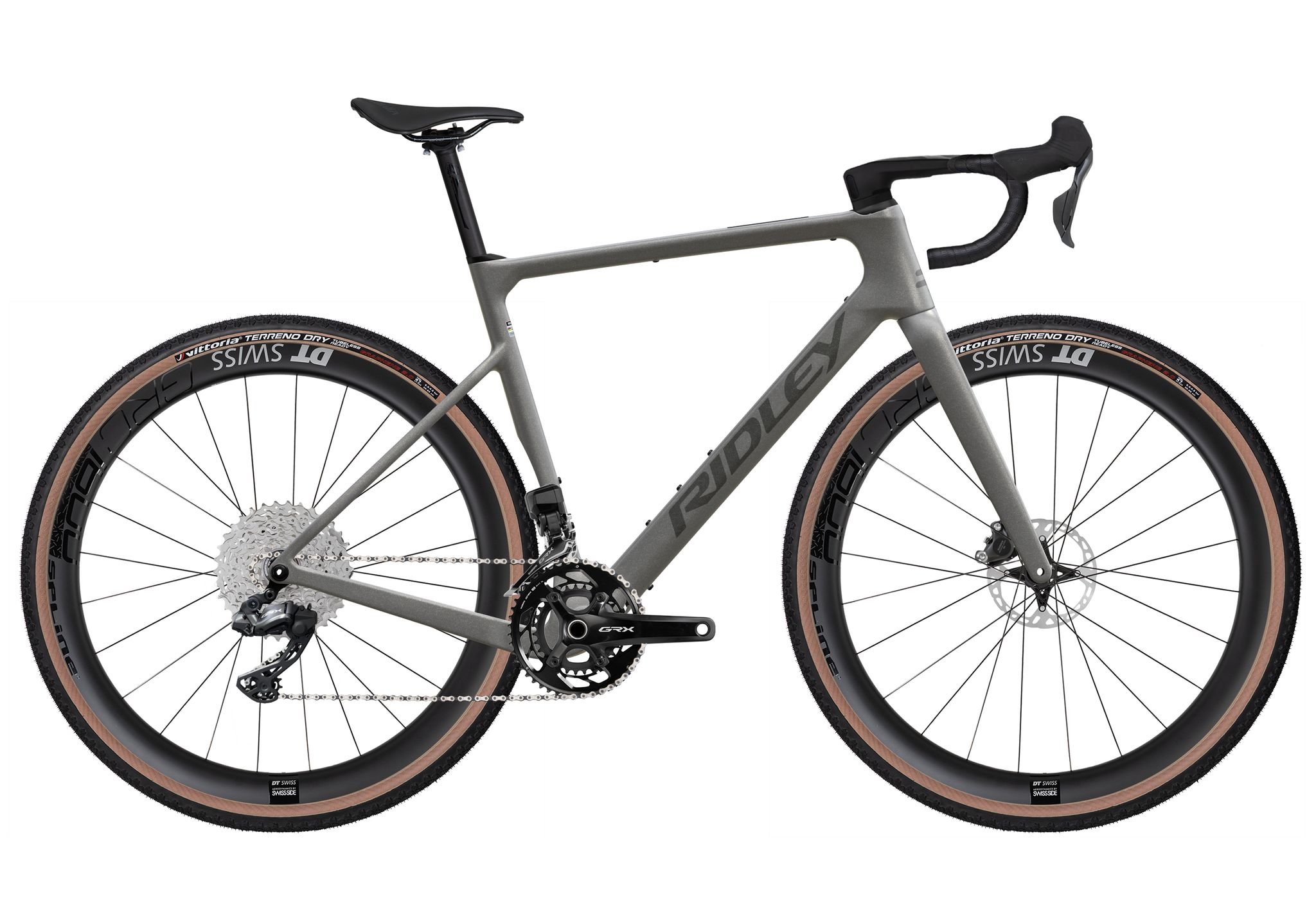
 Ridley ASTR GRX800 DI2 2x / Black Metallic/Bronze Gold
 Stevens 2026 AVIOLO 9.1 HT / Black Mercury
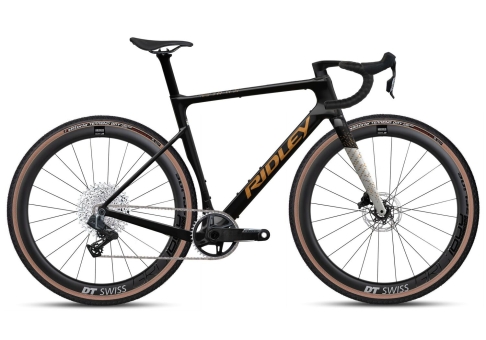 Ridley ASTR RS Force XPLR 1x13 / UD Carbon/Silver