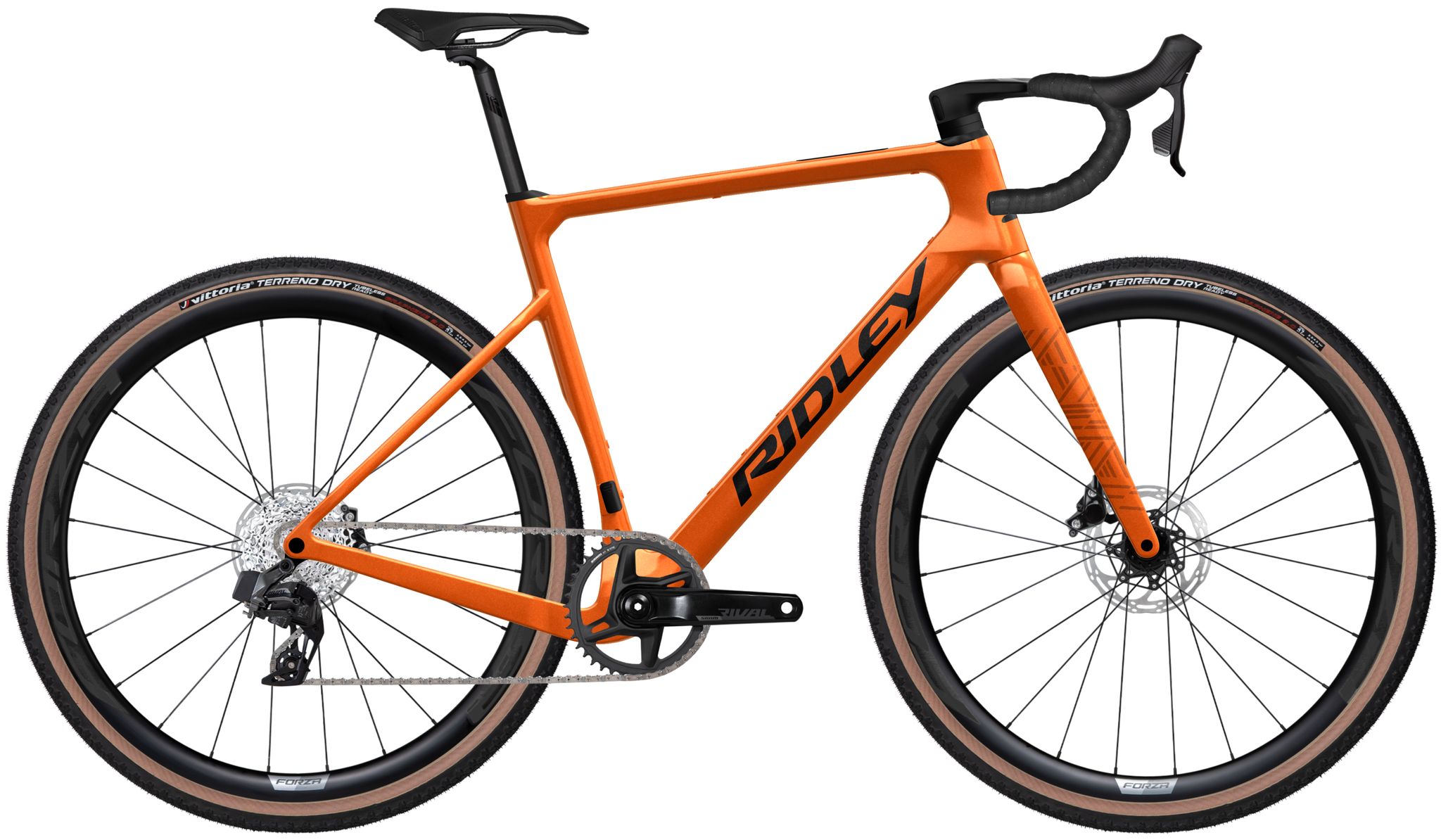

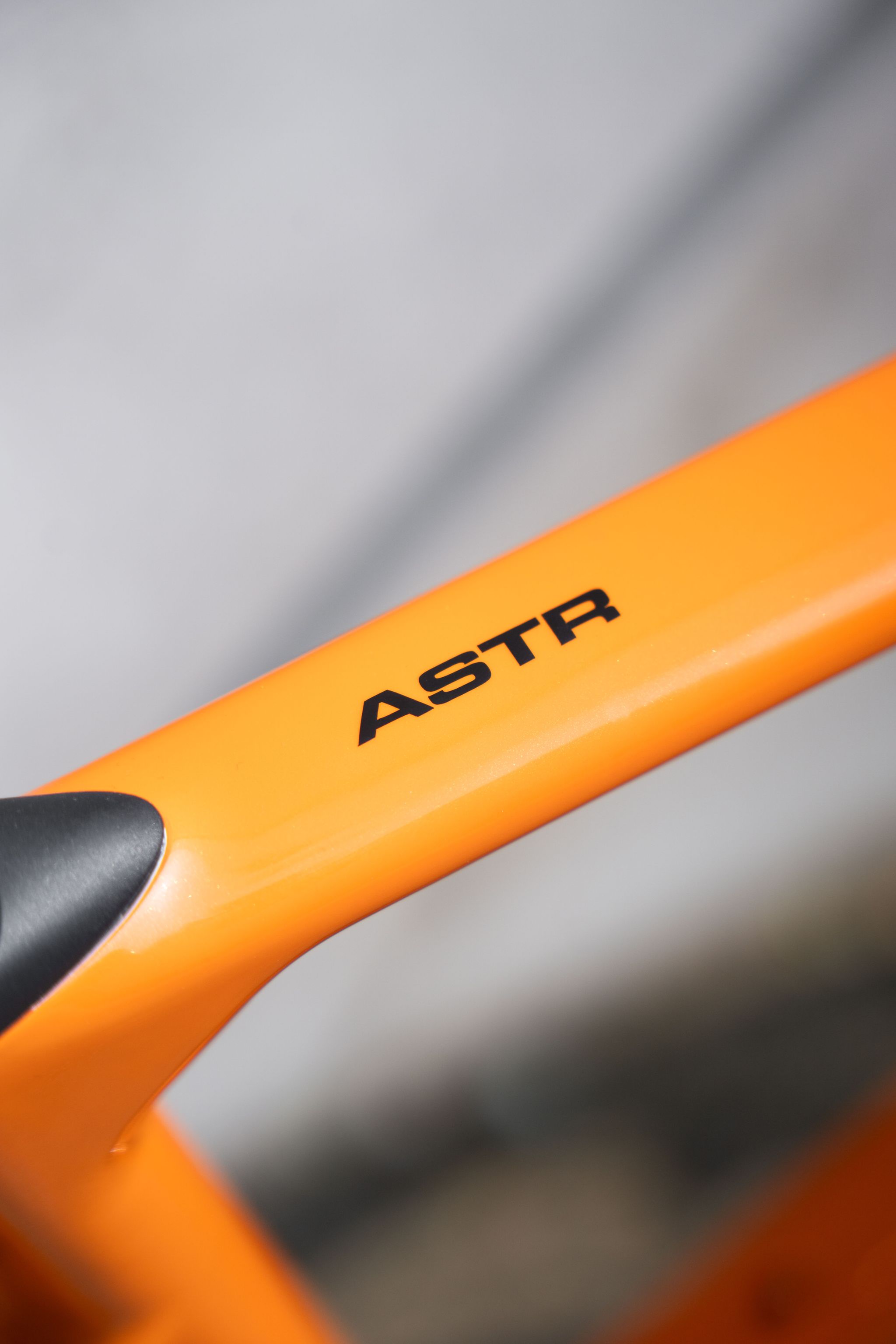
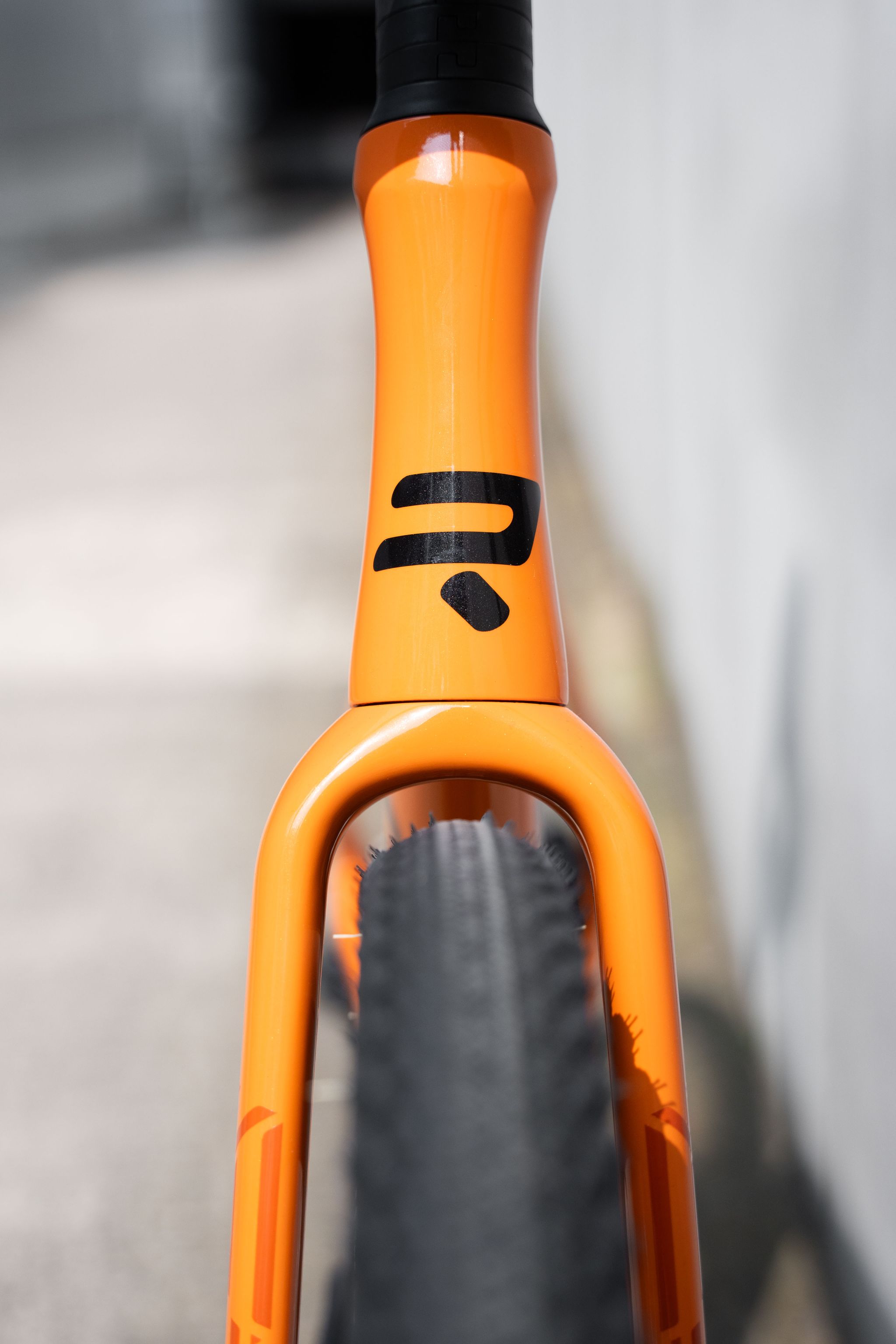
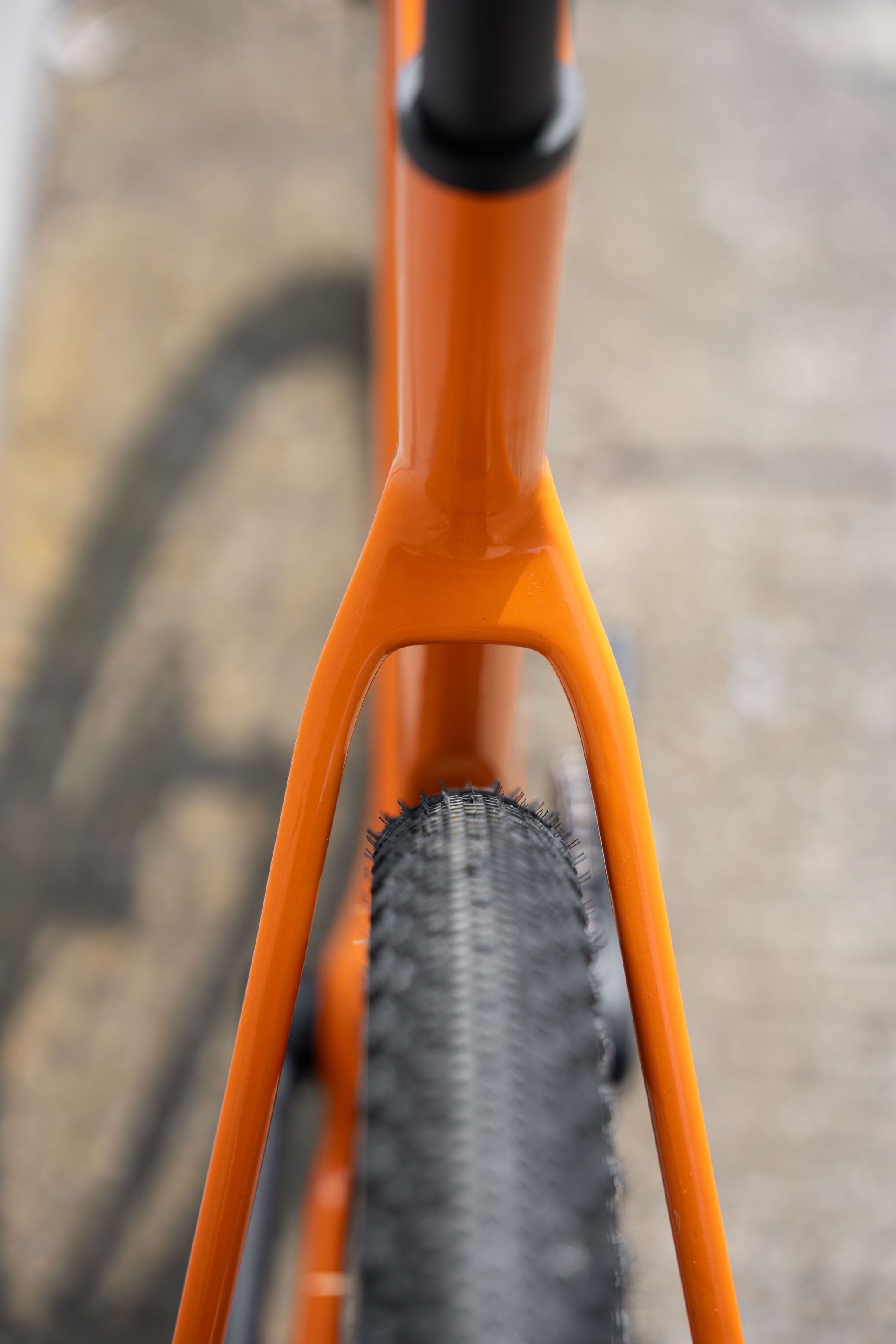
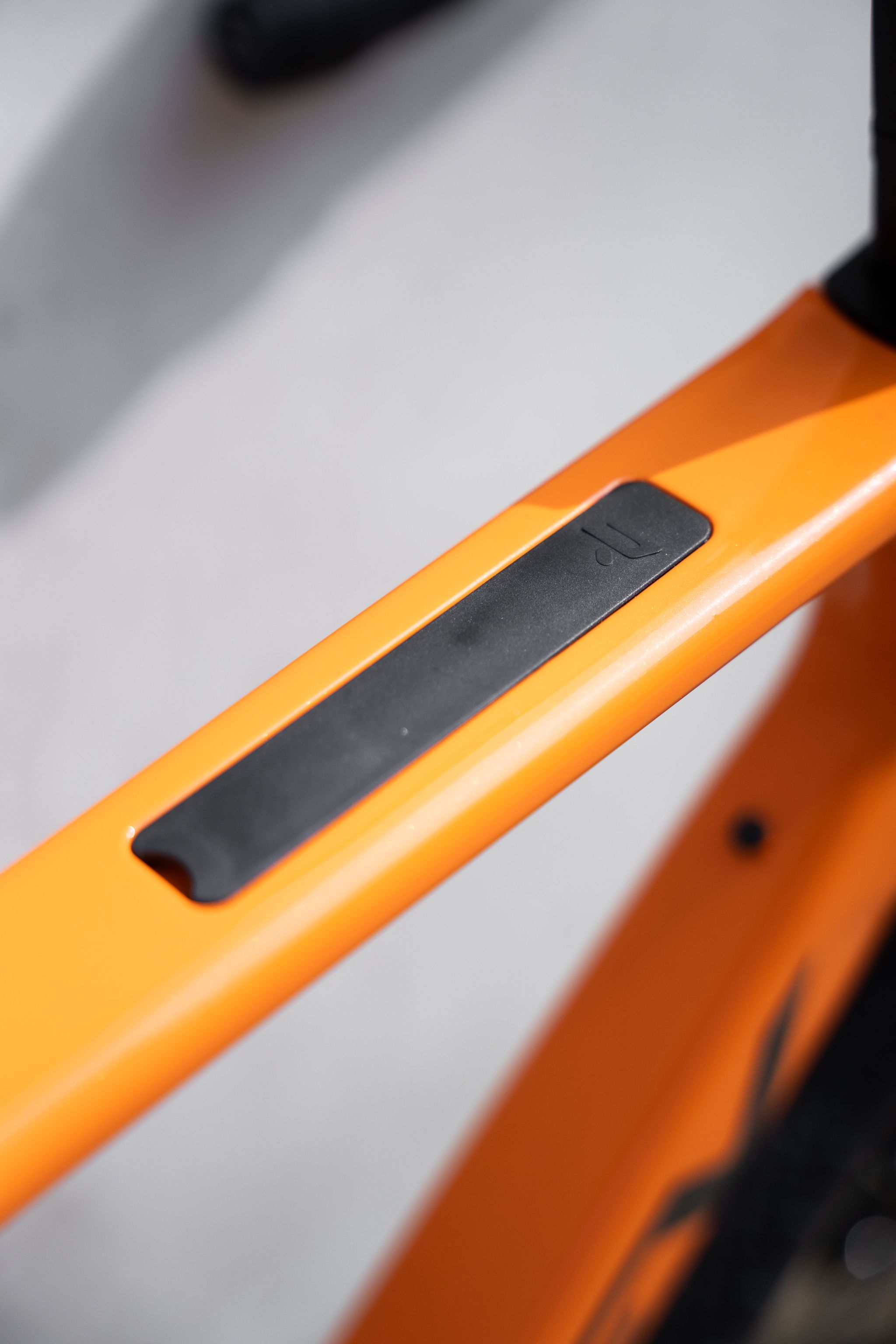

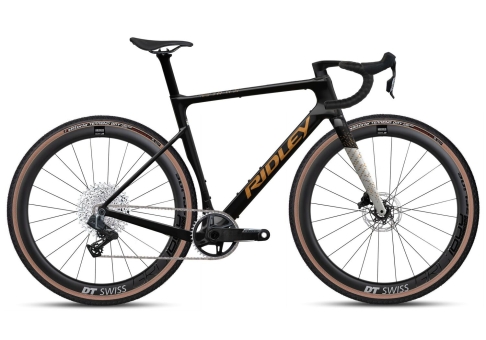
The ASTR brings the full substance of the ASTR RS at a comparatively moderate price – from aerodynamic refinements to a modern gravel geometry. This build pairs the Classified hub shifting with the SRAM Rival AXS and makes a statement in vivid orange against black.
A video from an external video provider is displayed here. YouTube has its own cookies and may collect data on activities. Consent is required to view YouTube videos.
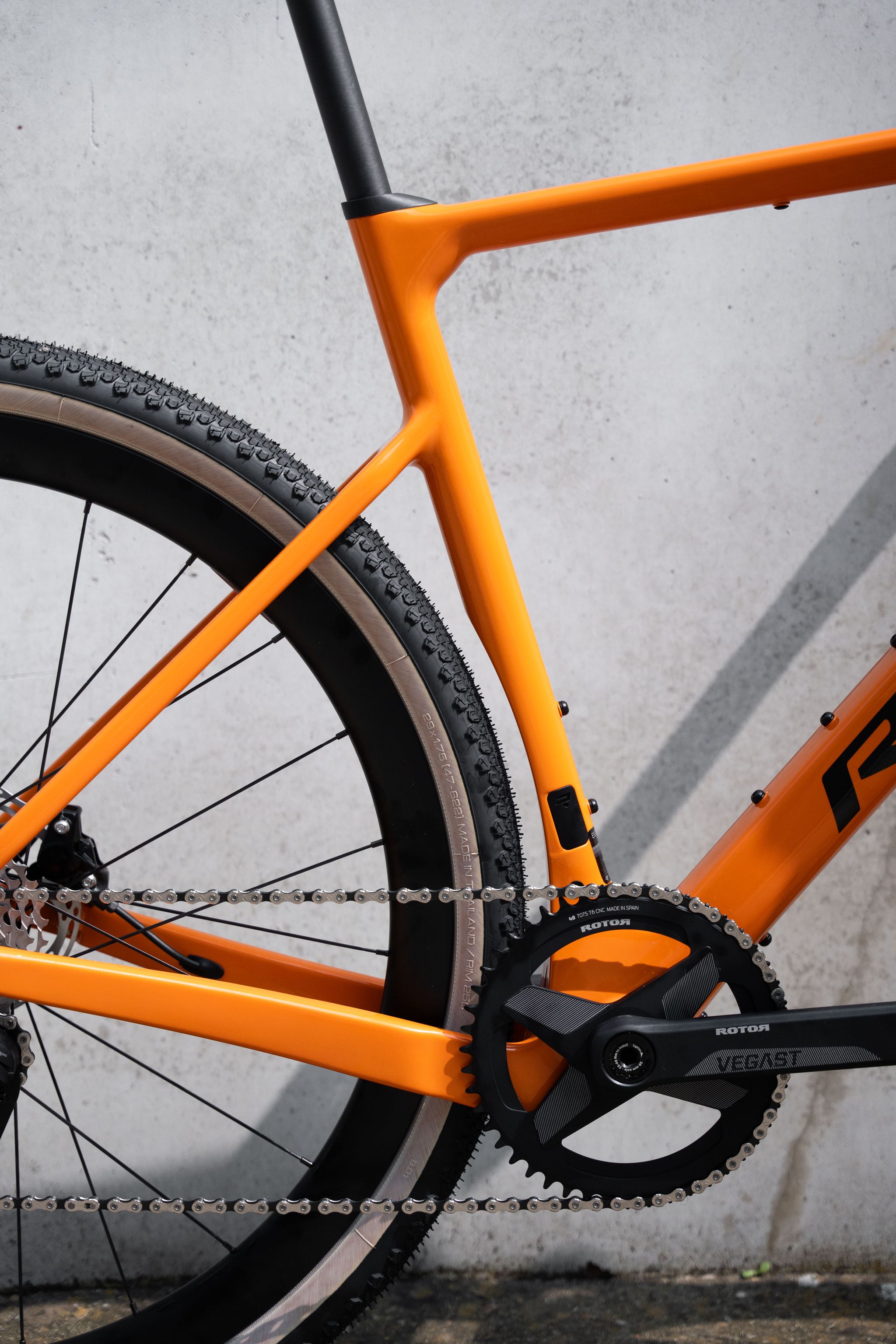
Enable Youtube videosThe ASTR presents the whole substance of the ASTR RS at a comparatively moderate price: aero tubes, the fork-crown diffuser and a modern performance chassis are all untouched on board. The frame is made of HM carbon with short chainstays, a low bottom bracket and tyre clearance of 47 mm in twin-ring and 52 mm in single-ring operation. The backbone of this model is the Classified drivetrain concept: an 11–34 sprocket cluster with twelve gears is complemented by a wirelessly shiftable reduction nested inside the rear hub – together providing 24 gears, without a front derailleur, without cables and with changes under full load. The SRAM Rival eTap AXS derailleur handles the wireless communication with the hub. Lighting and racks are deliberately absent; on the road there remain aero frame and saddle bags over the provided mounts. Highlights include the integrated Forza Cirrus Pro cockpit with a 16-degree flare, the 40 mm deep Forza Levanto front wheel with Beaufort hub, the 4ZA Levanto G rear wheel with the Classified hub, the 47 mm Vittoria Terreno Dry tyres with light sidewalls, the Selle Italia Novus Boost Superflow saddle and the round 4ZA Cirrus seatpost. The Rich Orange Metallic paint stands out boldly and contrasts with black; the XS frame size is meant for more compact riders.
ASTR is the shared name of the platform, pronounced "ASTor" and echoing the Latin "Aster" (star); no official long version exists. Classified names the wireless hub-shifting system (Powershift) with a concealed second ratio in the rear wheel. Rival denotes the mid-level electronic groupset tier of the supplier, AXS its fully digital radio protocol. 1x12 describes one chainring and twelve sprockets, effectively almost doubled by the hub reduction. Rich Orange Metallic/Black names the vivid orange metallic paintwork with black contrast; XS is the smallest available frame size.
The ASTR family divides into base, RS and E offshoots. Base models like this one run HM carbon, a round seatpost and cockpits that come classic or integrated depending on equipment; the RS uses elite carbon with an aero post and Nimbus Pro stem. Within the base ranks this build stands apart thanks to the Classified hub: no other ASTR can offer this second wireless stage in the rear wheel. While GRX variants work mechanically or via Di2 with two chainrings and the XPLR versions ride single-ring with wide cassettes, this model combines a 1x drivetrain with hub reduction – a special case ergonomically and technically, unmatched in terms of shifting smoothness.
The ASTR targets the sporting gravel use: brisk loops, structured training sessions and local races on varying ground. The hub shifting allows gear changes in a full sprint and on steep ramps without the pedal pressure dropping; the 47 mm tyres absorb bumps, and the Rival wireless tech keeps maintenance low. Unlike the bikepacking-tuned Kanzo Adventure, this machine carries no heavy loads; against the older Kanzo Fast it is clearly more airflow-optimised and tyre-friendly. Riders seeking a no-frills 1x world with digital fine-tuning find a fitting answer here – and with the rich orange, an eye-catcher in the field to boot.
 Ridley ASTR GRX800 DI2 2x / Black Metallic/Bronze Gold
 Ridley Kanzo Fast 2.0 Rival XPLR
 Ridley ASTR RS Force XPLR 1x13 / UD Carbon/Silver