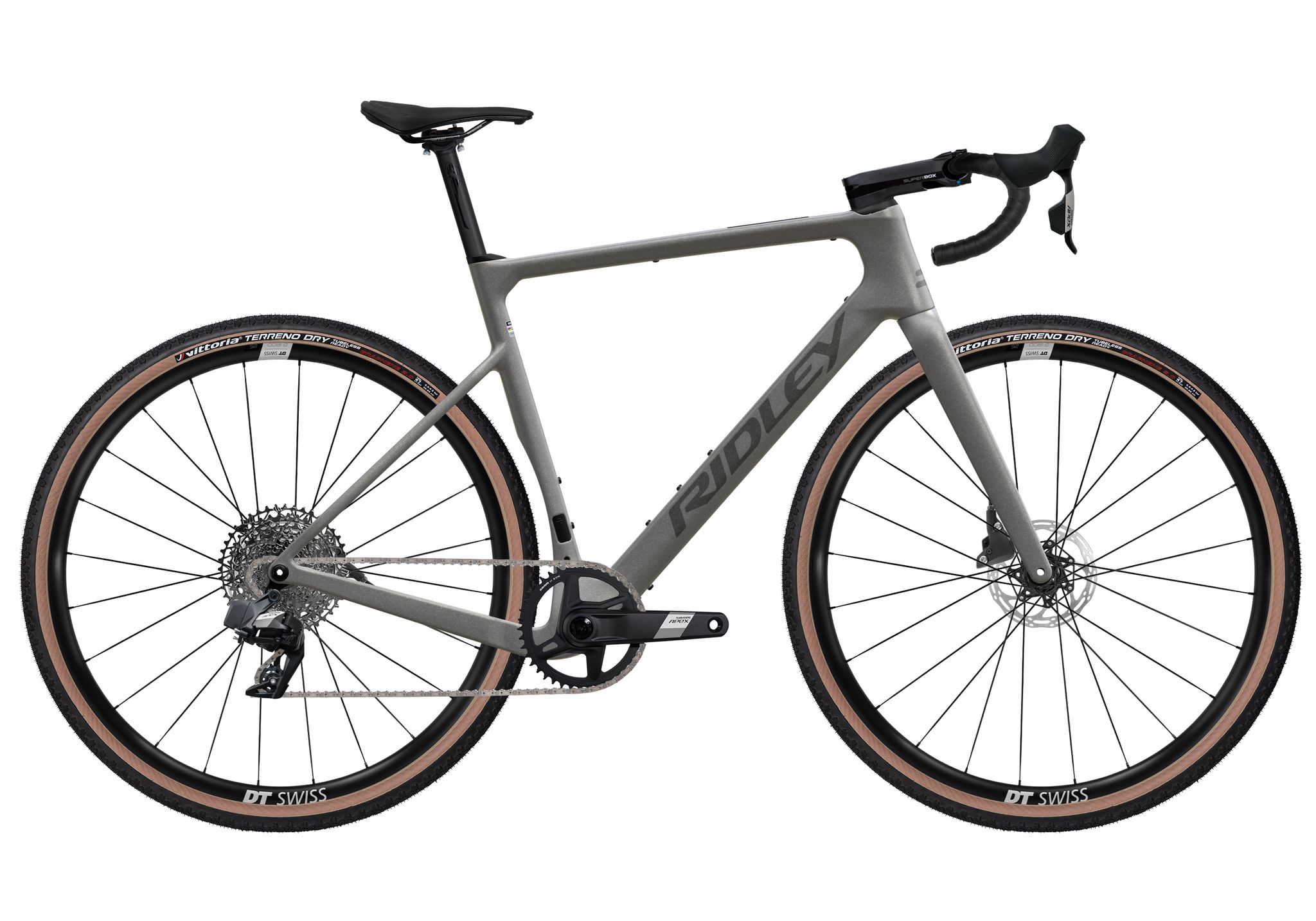
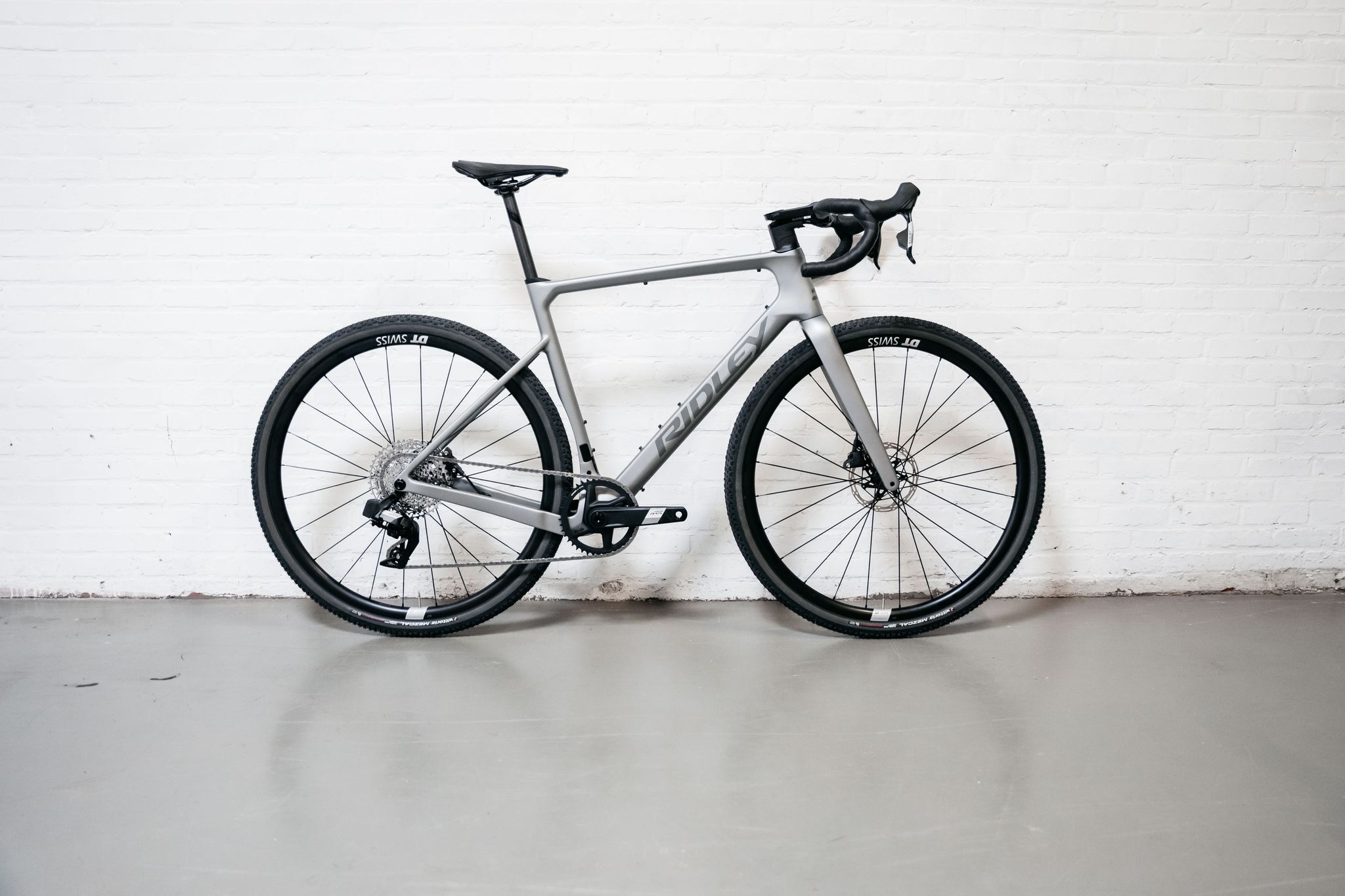
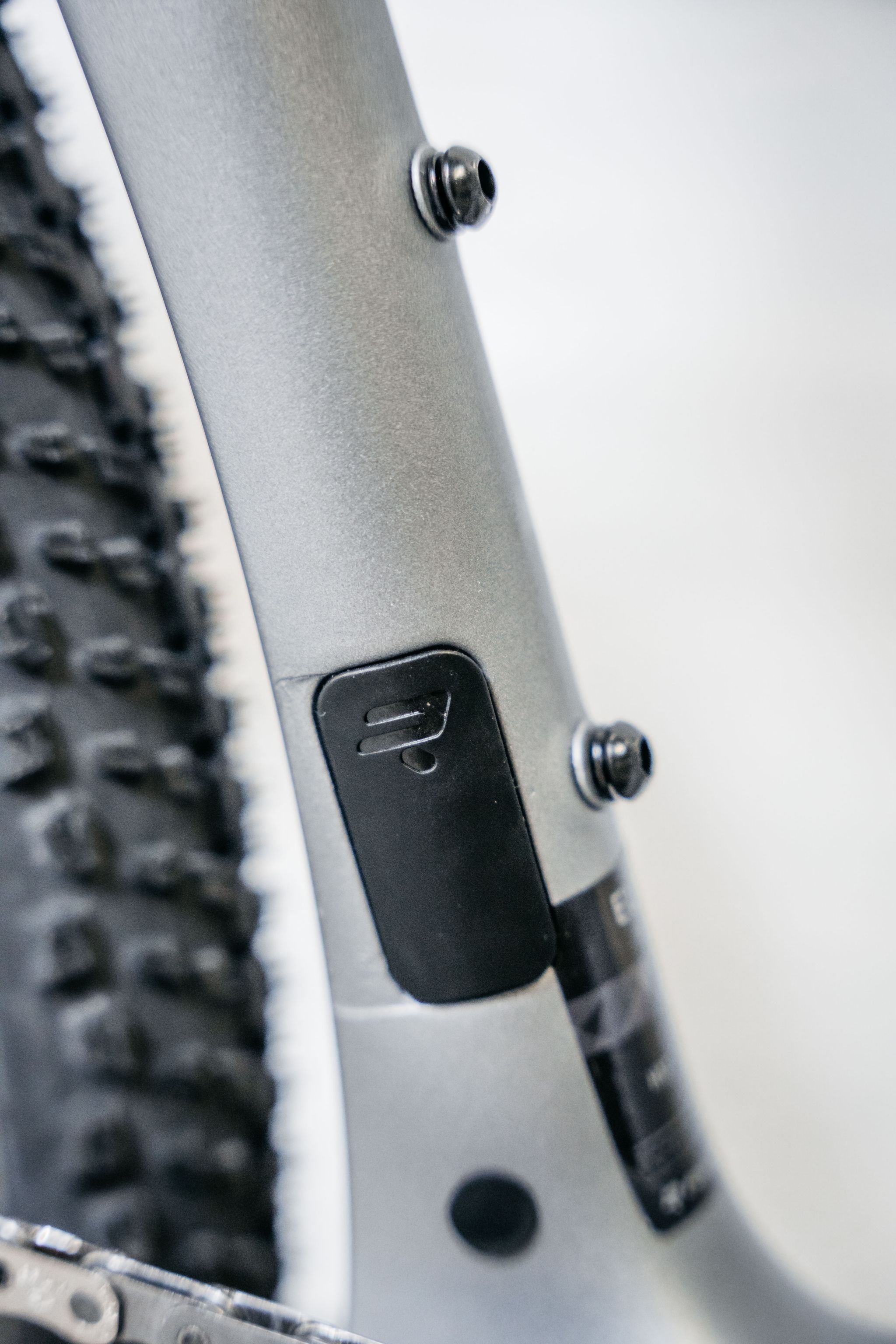
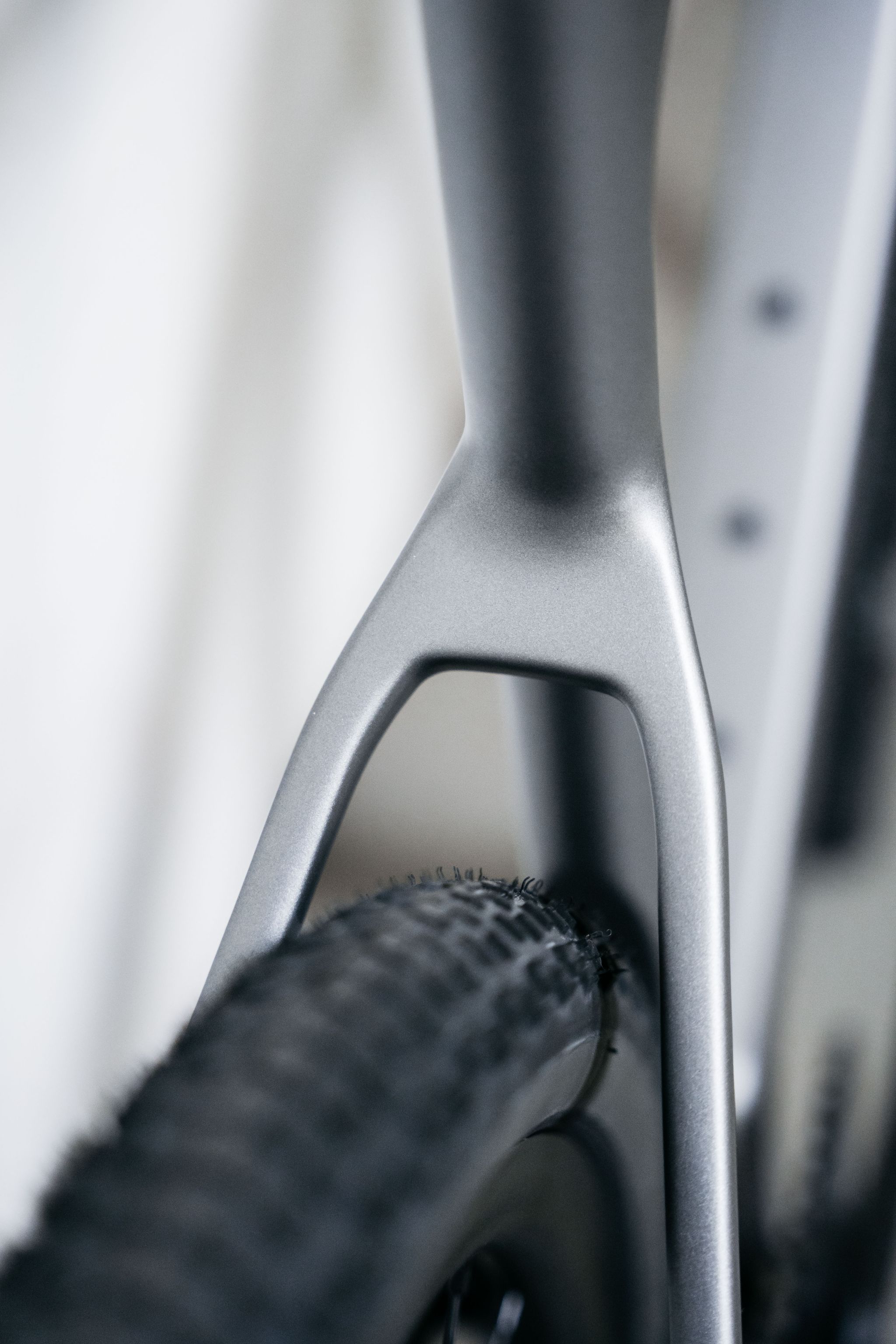
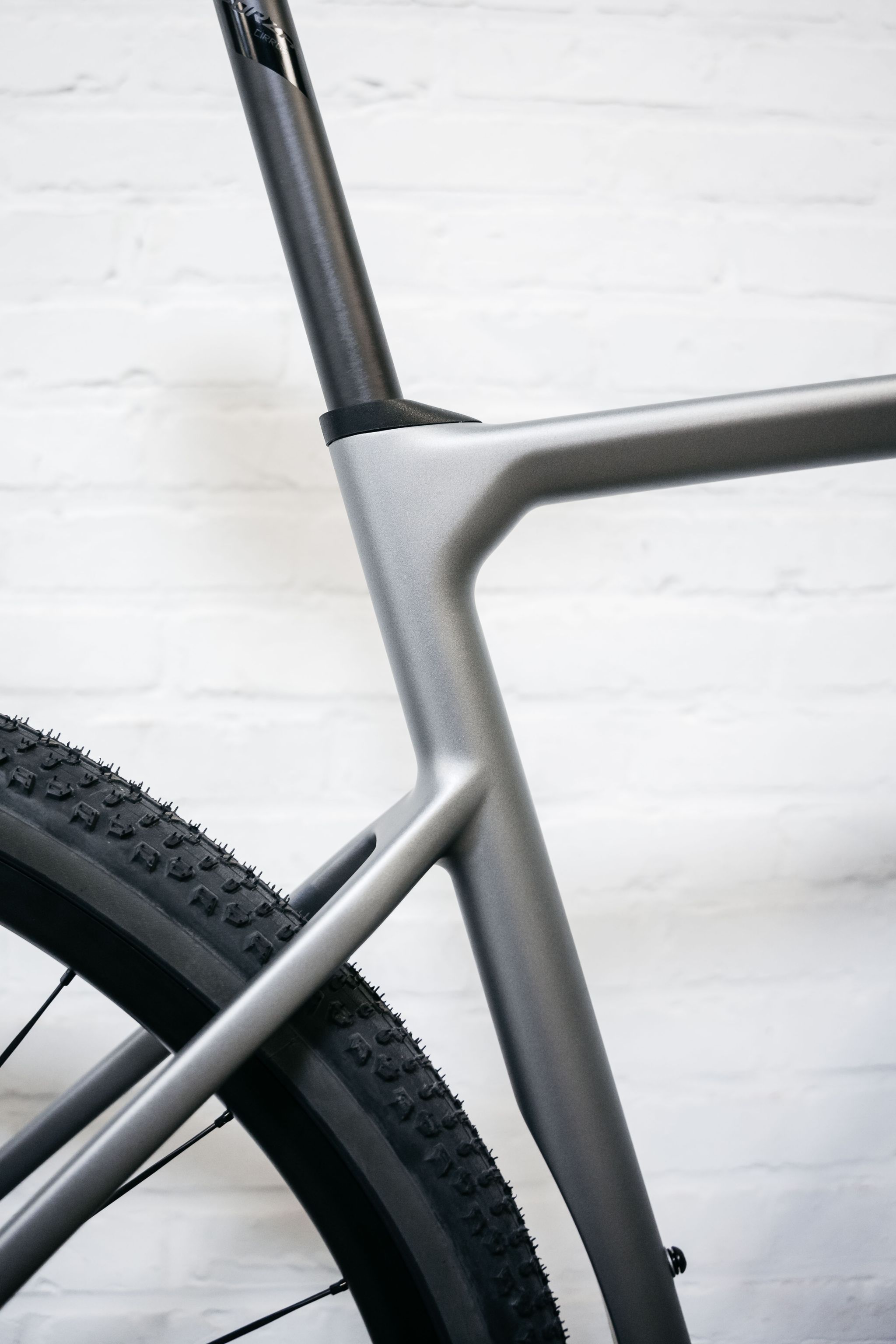
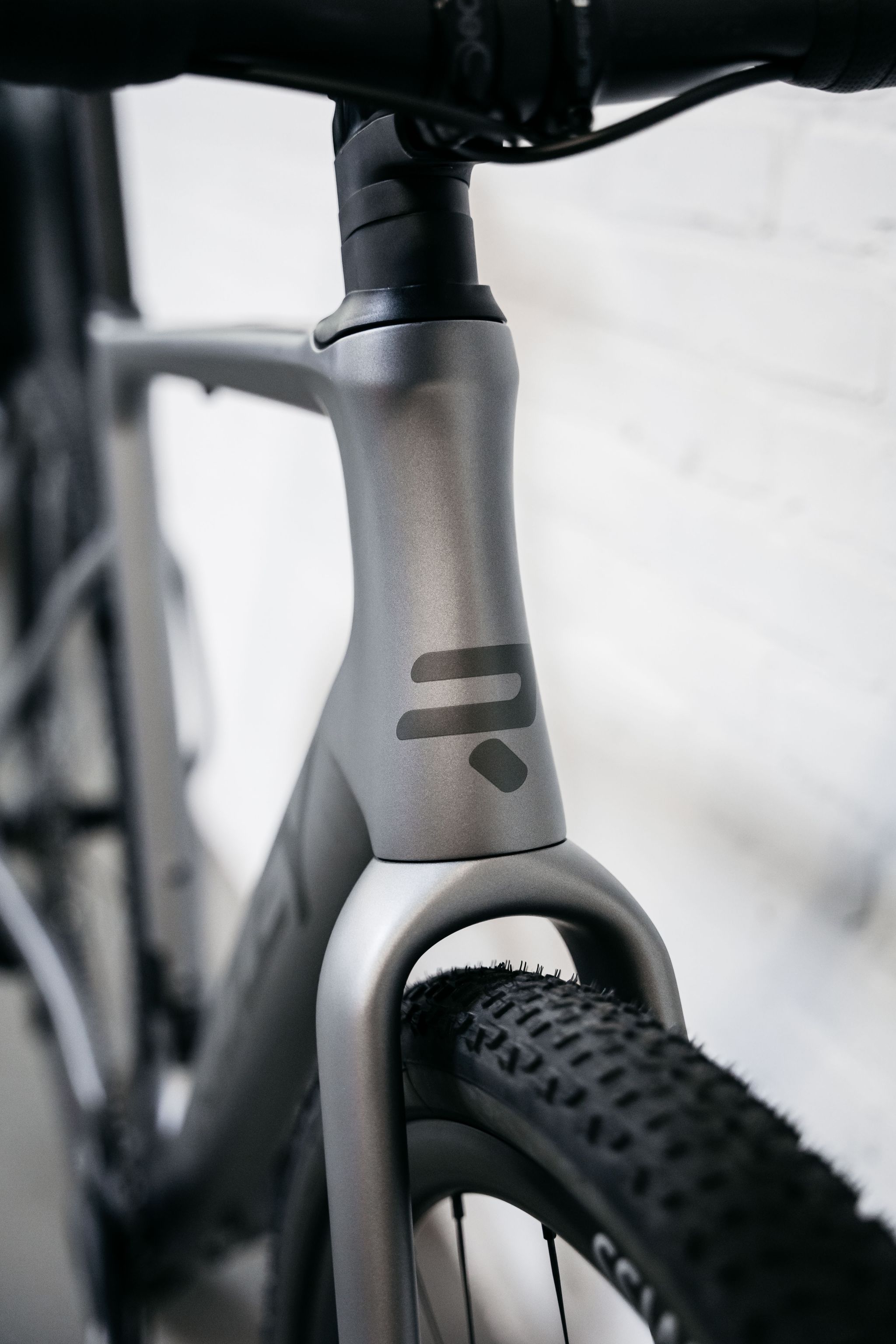
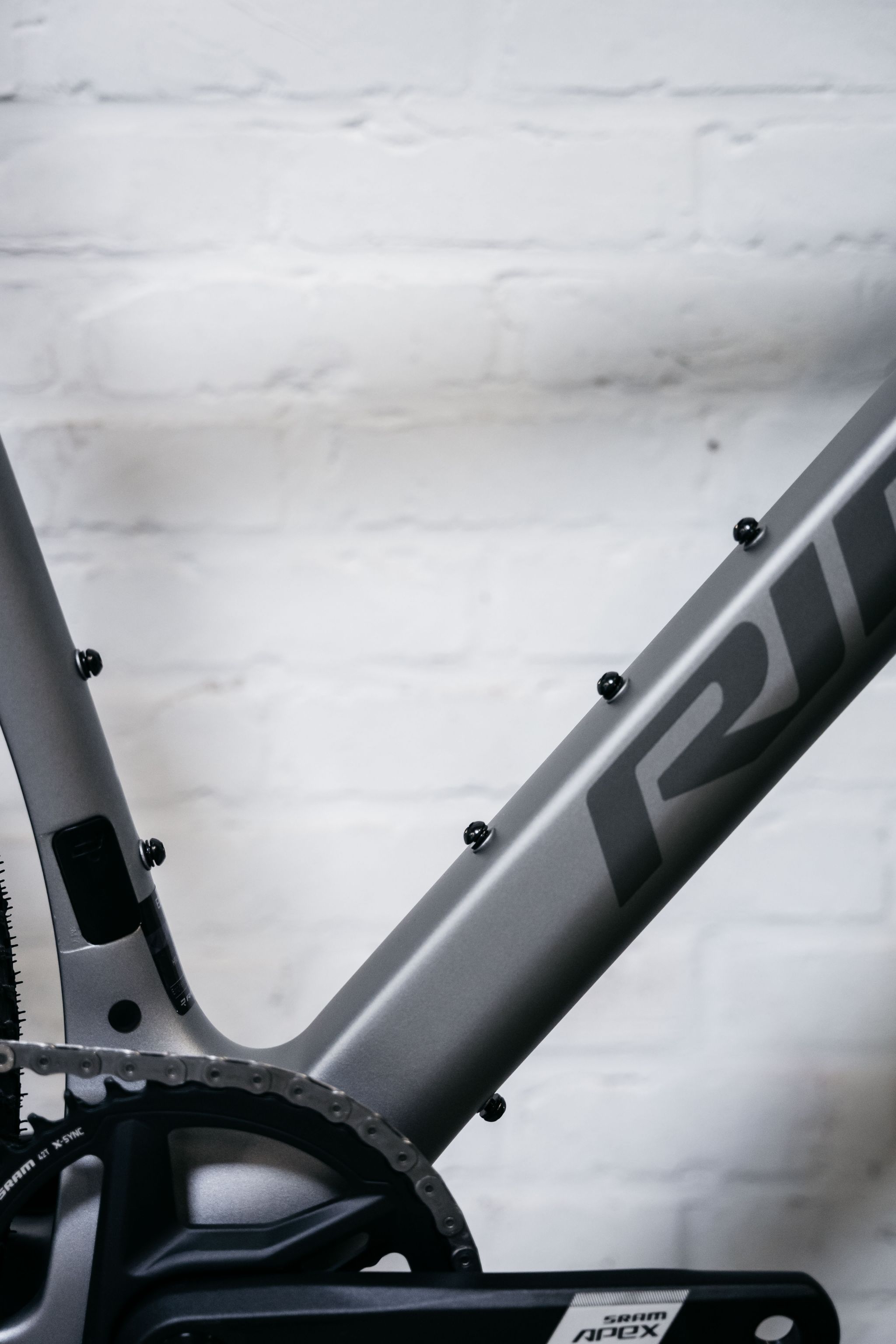

The ASTR transfers the full feature set of the ASTR RS to a far more moderate price point – from aerodynamic refinements to a modern gravel geometry. This version pairs the HM-carbon frameset with a radio-controlled SRAM Apex XPLR AXS groupset and presents itself in elegant metallic paint; ready for any quick lap or gravel race, whatever the terrain.
A video from an external video provider is displayed here. YouTube has its own cookies and may collect data on activities. Consent is required to view YouTube videos.
Enable Youtube videosThe frame of the ASTR is made of high-modulus carbon and adopts the aerodynamic design language of the ASTR RS: profiled tubes, a diffuser in the fork crown and a D-shaped steerer are all on board. The modern performance geometry with a 71.5-degree head angle, steep seat tube, low bottom bracket and short chainstays is tuned for speed and agility. The drivetrain comes from the SRAM Apex XPLR AXS – a complete, fully wireless electronic groupset in a 1x12 layout: a single 42-tooth chainring and the 11–44 cassette produce 12 gears with an enormous spread that masters steep ramps just as well as quick straights. There is no lighting; true to the performance philosophy, lamps, a dynamo and superfluous mounting points are absent. Bikepacking remains a sporty affair: rack eyelets are nowhere to be found, yet frame bags still enable fast multi-day trips. Highlights include the 47/52 mm tyre clearance, the 16-degree flared Deda Superzero alloy bar, the tubeless-ready DT Swiss G1800 Spline wheels, the 47 mm Vittoria Terreno Dry tyres with tan sidewalls and the comfortable S.S. Marco saddle. The XL frame size specifically addresses tall riders.
ASTR is the family name of the platform and is pronounced "ASTor" – acoustically akin to the Latin "Aster" (star); the maker never published an official long form. Apex denotes the entry tier of the supplier's electronic component family (below Rival, Force and Red), fitted here in its XPLR variant. XPLR stands for the gravel-focused "Explore" direction, AXS names the completely wireless shifting system of the component maker. 1x12 reveals the layout: one chainring, twelve sprockets – the deliberately simplified, rugged drivetrain route. Empress Grey Metallic/Anthracite Metallic describes the two-tone metallic paint job, and XL finally the largest available frame size.
All ASTR models share the frameset base, geometry and tyre clearance; the differences lie in material, cockpit and drivetrain. The base ASTR uses HM carbon, a round 4ZA Cirrus seatpost and a conventional Deda stem-and-bar setup and can be fitted with mechanical or electronic groupsets – the ASTR RS, by contrast, relies on elite-series ultra-high-modulus carbon, an aero seatpost and the integrated Nimbus Pro cockpit and accepts electronics only. This Apex build is defined by its SRAM drivetrain: while the GRX600 variant runs mechanically with two chainrings and 24 gears, the Apex XPLR AXS shifts digitally here with a single chainring and 12 gears – a streamlined solution shaped for reliability. Against the pricier RS builds with Force XPLR or GRX Di2, this bike positions itself as the smart gateway into the world of electronic gravel riding.
The ASTR is made for every brisk ride and every gravel race on nearly any surface – from the after-work spin to the ambitious event. The taut geometry promotes fast progress, and the widely spread 1x package always keeps the right ratio ready on demanding climbs. Unlike the Kanzo Adventure, which with racks and lighting solutions primarily targets bikepacking and tours, the ASTR stays true to the sporting idea; against the older Kanzo Fast it profits from more modern aero work and greater tyre clearance. Anyone who chiefly wants to move fast and fuss-free on gravel finds the right measure here – as an affordable gateway into the ASTR family.
 Stevens 2026 AVIOLO 9.1 HT / Black Mercury
 Ridley ASTR RS Force XPLR 1x13 / UD Carbon/Silver
 Ridley ASTR GRX800 DI2 2x / Black Metallic/Bronze Gold