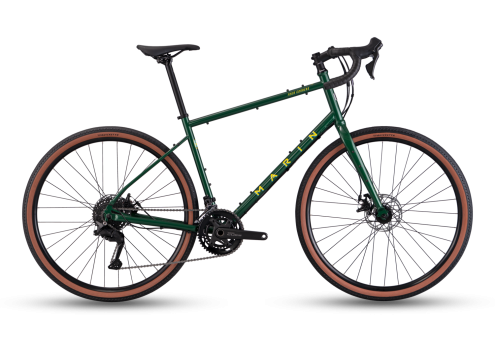
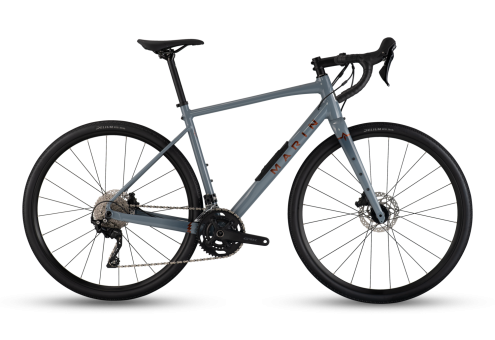
Marin Nicasio 1 ST
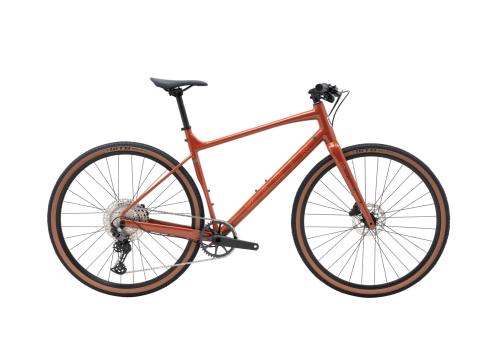
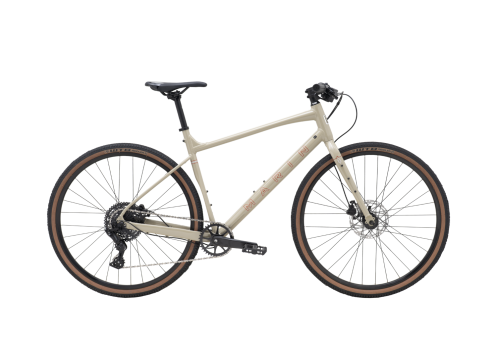 Marin DSX Khaki Red
 Marin Nicasio 1 Black
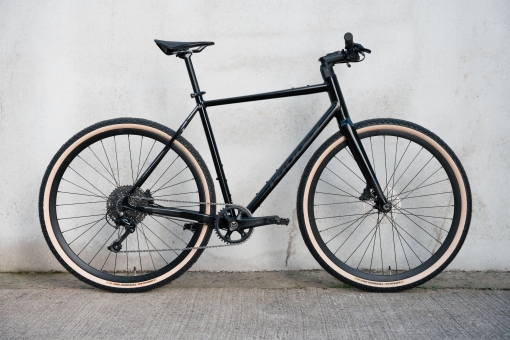 Ridley KALAZY Cues 1x10 / Black/Black
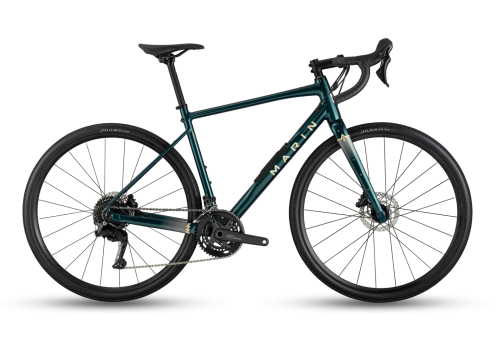
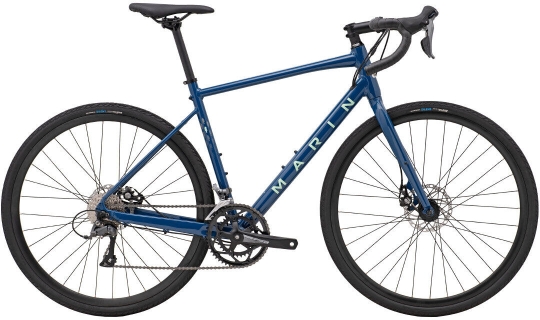 Marin Gestalt Blue
 Marin Nicasio+ 650B Grey
 Marin Nicasio+ 650B Teal
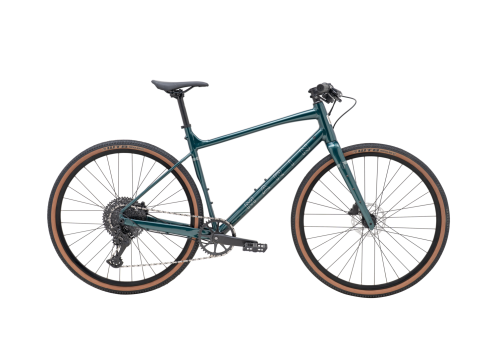 Marin DSX 1 Green Silver
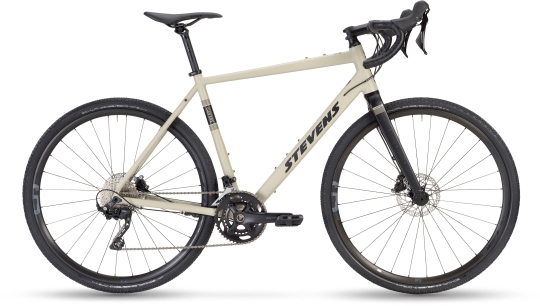
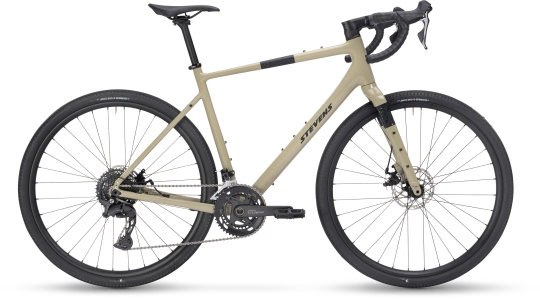 Stevens 2026 GAVERE / Light Khaki
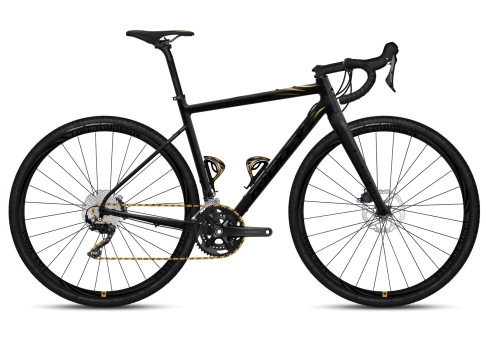 Ridley INVENIO GRAVEL Alu GRX400 2x10 / Tomorrowland Edition/Black Metallic
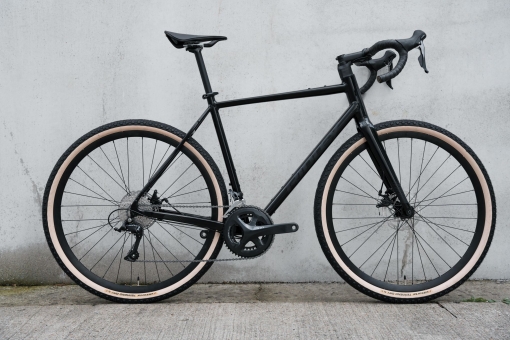 Ridley KALAZY Claris 2x8 / Black/Black
.jpg) Ridley KALAZY Claris 2x8 / Bourgogne Red Metallic/Orange
Ridley KALAZY Claris 2x8 / Bourgogne Red Metallic/OrangeThe roots of gravel cycling reach back to the early days of the sport, when most roads were still unpaved. The famous Paris-Roubaix, first held in 1896, ran over gravel and cobblestone sections and is considered an early precursor. In the 1950s, the Rough Stuff Fellowship was founded in Great Britain as one of the first organized groups for off-road cycling on unpaved paths. Modern gravel cycling emerged in the early 2000s in the American Midwest, where riders covered long distances on endless gravel roads. Trans Iowa started in 2005, followed by the legendary Dirty Kanza (now Unbound Gravel) in 2006 with just 34 participants in Emporia, Kansas. These events laid the foundation for a worldwide movement.
The first gravel bikes were converted cyclocross or touring bikes fitted with wider tires and a more relaxed geometry. The first production bike developed specifically for gravel was the Salsa Warbird, launched in 2012, featuring a long wheelbase, generous tire clearance, and numerous mounting points for luggage. In 2014, Specialized introduced the Diverge as the first gravel bike from a major manufacturer, followed by Trek with the Checkpoint (2018) and Cannondale with the Topstone (2018). In subsequent years, the bikes evolved rapidly: disc brakes, carbon frames, electronic shifting, and tire widths of up to 50 millimeters became standard. Shimano's introduction of GRX in 2019 established a dedicated gravel groupset and drove further professionalization.
Today, gravel is one of the fastest-growing disciplines in cycling. Unbound Gravel now attracts over 4,000 participants, and the Life Time Grand Prix series draws international professionals. In 2022, the UCI introduced its first official Gravel World Championships, granting the sport further recognition. A decisive factor in this boom is social media: on Instagram and YouTube, riders share their adventures, inspire others, and build a vibrant community. Strava groups and online forums connect like-minded cyclists worldwide and promote the exchange of routes and experiences. Gravel cycling represents freedom, adventure, and community – values that resonate particularly strongly in the digital age.
E-gravel bikes established themselves as an independent category in the late 2010s. Manufacturers such as Stevens, Focus, and Ridley offer e-gravel models that combine a powerful mid-drive motor with the versatility of a gravel bike. The target audience includes riders who want to cover longer distances, older cyclists who appreciate assistance on climbs, and bikepackers carrying heavy loads. E-gravel bikes also enable less trained riders to participate in demanding gravel events, thus broadening the sport's base. The battery range of modern e-gravel bikes is between 80 and 150 kilometers, making extended tours easily feasible.